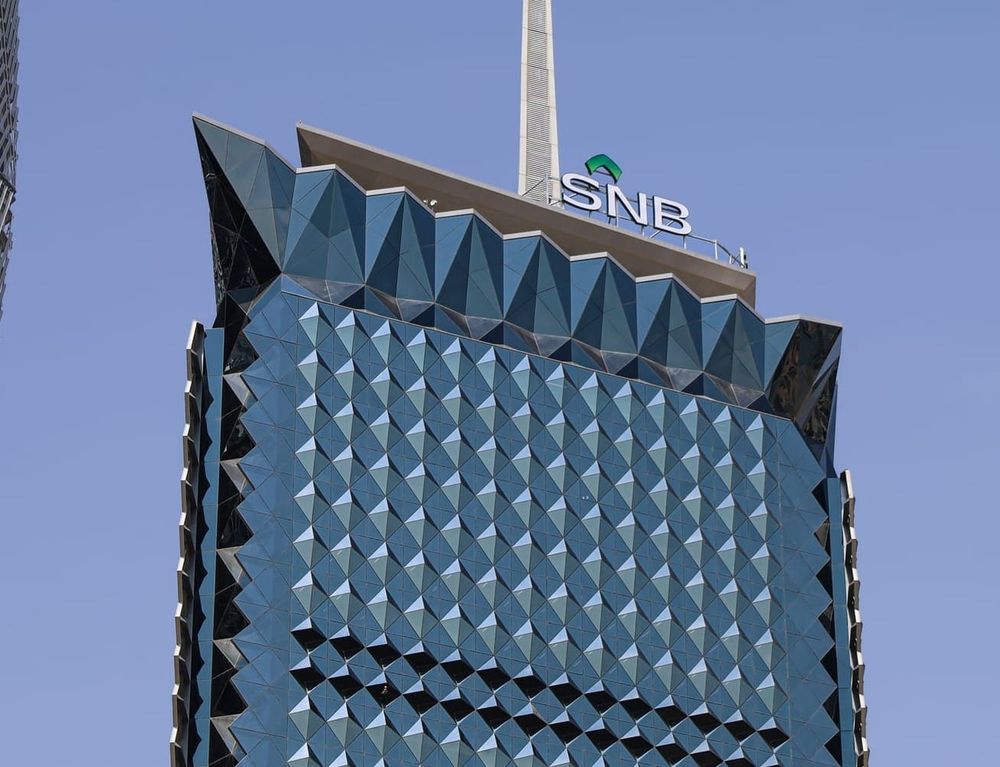
Saudi National Bank reported net profit of SAR19.48 billion for the first nine months of 2026, up 4.6% from SAR18.63 billion a year earlier. Operating income rose 4.5% to SAR30.60 billion. Net special commission income increased 8.3% to SAR23.41 billion. Third-quarter profit, however, slipped 0.3% year on year to SAR6.45 billion.
The bank said income from financing and investments increased 1.9% to SAR46.1 billion over the nine-month period, helped by 2.7% growth from its financing portfolio. Banking service-fee income rose 6.3%, while net foreign-exchange income increased 13.0%. Net expected credit-loss provisions fell 97.2% over the nine months, supporting the increase in profit.
OPERATING INCOME OFFSET QUARTERLY COST PRESSURE
For the third quarter, net special commission income rose 10.2% to SAR8.05 billion and operating income increased 2.2% to SAR10.37 billion. Income from financing and investments reached SAR16.0 billion, up 1.0% from a year earlier. Net expected credit-loss provisions nevertheless rose to SAR323 million from SAR231 million, while operating expenses before those losses increased 9.0% to SAR2.7 billion.
Compared with the second quarter of 2026, third-quarter net profit declined 2.4% and operating income fell 2.0%. The bank attributed the sequential revenue decline partly to a 4.9% fall in net foreign-exchange income and a 35.1% reduction in investment gains and income. Credit-loss provisions were 25.2% higher than in the preceding quarter.
BALANCE SHEET EXPANDED WITH LOANS AND DEPOSITS
Total assets reached SAR1.262 trillion at the end of September, up 4.6% from a year earlier. Customer deposits increased 4.7% to SAR669.86 billion, while loans rose 4.6% to SAR758.10 billion. Shareholders’ equity excluding minority interests and sukuk stood at SAR186.13 billion, compared with SAR179.78 billion a year earlier.
The bank also said its financing portfolio had grown 3.9% since December 2025, with retail financing up 4.2% and corporate financing up 4.0%. Customer deposits were 5.3% higher over the same period. The full-year release will show whether the rise in quarterly provisions persists and how balance-sheet growth translates into earnings.