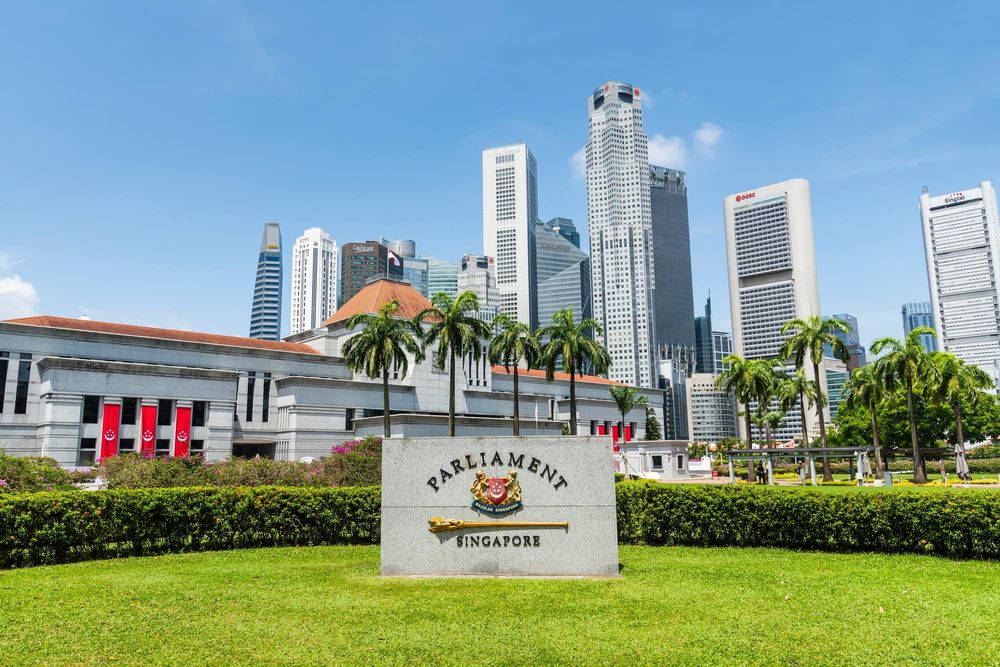
Singapore’s Parliament passed legislation on 6 October giving the Monetary Authority of Singapore power to impose total loss-absorbing capacity requirements on domestic systemically important banks. The Financial Services and Markets (Amendment) Bill allows MAS to set requirements by written notice. The measure is intended to give a failing bank sufficient resources to absorb losses and recapitalise without relying on public funds.
Singapore’s existing resolution framework already allows MAS to transfer a bank’s business or write down and convert specified liabilities. The amendment adds a preventive requirement for systemically important banks to hold eligible loss-absorbing instruments before a crisis. It also contains separate changes intended to align Singapore’s counter-proliferation-financing supervision with Financial Action Task Force standards.
SETTING THE LOSS-ABSORBING BUFFER
The bill does not itself prescribe a single ratio. During the parliamentary debate, members discussed a contemplated requirement of 14% of risk-weighted assets, compared with the Financial Stability Board’s 18% international standard for global systemically important banks. MAS will determine the applicable level, eligible instruments and compliance timetable through written notices.
The statutory framework allows MAS to require eligible instruments, liabilities or other financial resources and related disclosures. A bank that breaches a requirement can face a fine of up to S$250,000, with a further fine of up to S$25,000 for every day a continuing offence persists after conviction. Those enforcement provisions give the regulator a direct mechanism to police compliance once requirements are imposed.
FUNDING COSTS AND IMPLEMENTATION
Lawmakers asked whether the proposed buffer could raise funding and lending costs and whether retail investors might be exposed to complex loss-absorbing debt. Minister of State Alvin Tan said Singapore’s domestic systemically important banks were already well capitalised and that MAS would calibrate the framework to local conditions. The debate nevertheless underscored the need for clear rules on eligible instruments and investor safeguards.
The amendments will take effect on dates appointed by the minister through the Government Gazette. The next material milestone will be MAS’s written requirements, which should specify the affected banks, required buffers, eligible resources and implementation period. Banks and investors will then be able to assess the practical impact on capital plans, funding structures and pricing.