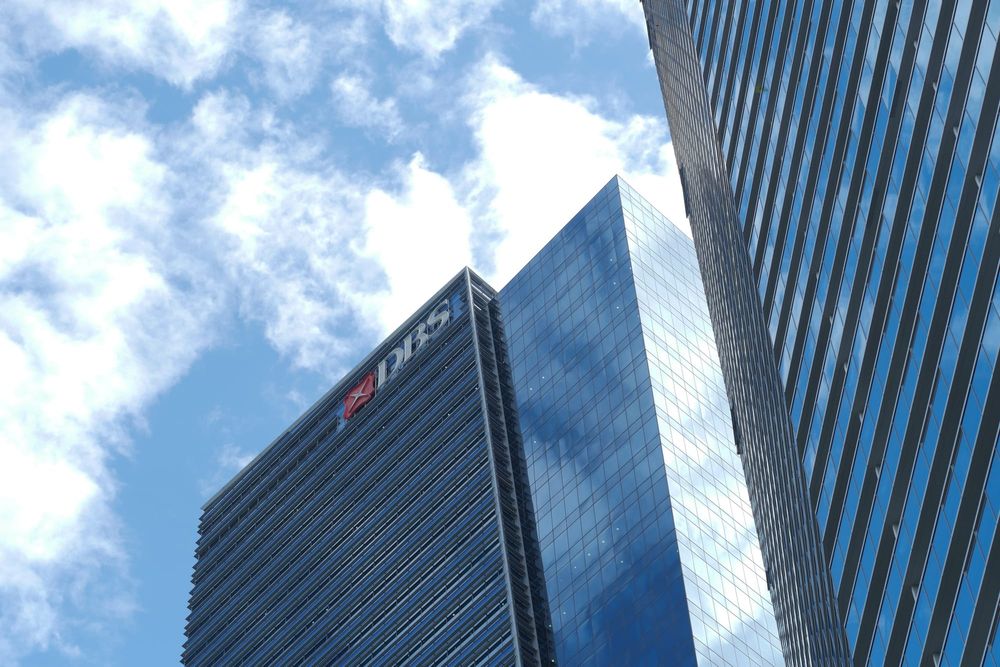
Shares in Singapore’s three largest banks fell sharply on Thursday as investors reassessed earnings risks from rising bond yields and higher funding costs. DBS closed 4.7% lower at S$73.85, OCBC lost 4.3% to S$29 and UOB dropped 5.2% to S$40.25. The Straits Times Index fell 3.5% to 5,412.96, its steepest decline since April 2025. The losses extended a two-day retreat after all three lenders had reached record highs during 2026.
CNA reported that a Citi downgrade of OCBC from neutral to sell helped trigger the pullback, with the brokerage expecting third-quarter profit to be broadly flat from a year earlier. OCBC had already fallen more than 5% on Wednesday, erasing over S$8 billion from its market capitalisation. Analysts also pointed to profit-taking after a strong rally and growing caution about whether elevated valuations could be sustained. The three banks nevertheless entered the sell-off with strong balance sheets and continued expectations for loan and fee-income growth.
HIGHER YIELDS CUT BOTH WAYS
Higher interest rates can raise the return on loans and newly deployed assets, but they also increase the price banks pay for deposits and wholesale funding. The effect on net interest margins depends on whether asset yields reprice quickly enough to offset those costs. CNA cited analysts who said competition for fixed deposits was already intensifying, while loans generally take longer to reprice. That timing gap could keep margins under pressure for one or two quarters before any benefit from higher rates appears.
The Edge Singapore, citing Bloomberg reporting, said JPMorgan had warned that surging long-term yields could produce mark-to-market losses on regional banks’ trading books and weigh on capital-markets activity. It also identified slower balance-sheet growth, greater deposit competition and normalising wealth-management fees as possible sources of earnings downgrades. Those concerns matter because fee income and wealth management had helped diversify the lenders beyond interest income. A broader retreat across Asian markets added to the selling pressure.
EARNINGS WILL TEST THE VALUATIONS
Trading activity indicated that the move was more than a routine quiet-session decline. Lianhe Zaobao reported that the three banks accounted for almost 60% of the Singapore market’s trading value on Thursday, with DBS volume more than four times its normal level. The newspaper said 438 shares fell while 163 rose, underscoring the wider deterioration in risk appetite. Bank-specific concerns were therefore reinforced by the regional market reaction to higher oil prices, inflation risk and rising government-bond yields.
The immediate test will come with third-quarter results, when investors can compare deposit costs, asset yields, trading-book effects and wealth-management fees against current forecasts. Analysts quoted by CNA remained constructive on 2027 earnings, but expected growth to slow from 2026’s rebound. A recovery in the shares would depend on evidence that net interest margins can stabilise without weakening loan growth or asset quality. Until those disclosures arrive, Singapore’s lenders remain exposed to further repricing of rate and valuation assumptions.