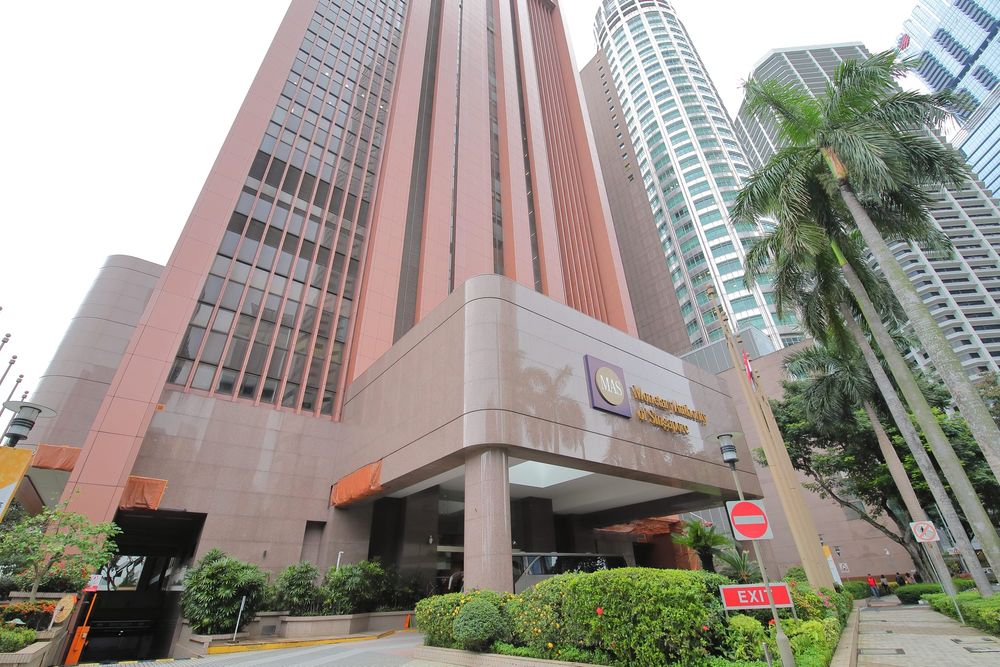
The Monetary Authority of Singapore kept its exchange-rate policy settings unchanged on 14 October, pausing after two consecutive tightenings this year. MAS maintained the rate of appreciation of the Singapore dollar nominal effective exchange rate policy band. It also left the band's width and centre unchanged. The decision surprised all 10 analysts surveyed by Reuters, who had expected another tightening.
MAS had increased the band's appreciation rate in April and again, very slightly, in July. Since the July review, the S$NEER has strengthened modestly within the upper half of the appreciating band. Singapore manages monetary conditions principally through this trade-weighted exchange-rate framework rather than a conventional policy interest rate. The authority said its present setting would allow the currency basket to keep strengthening against near-term imported price pressures.
INFLATION FORECAST NARROWED
MAS narrowed its forecast for average core inflation in 2026 to 1.5%–2.0%, from 1.5%–2.5%, and projected headline inflation at about 2.0%. Core inflation rose to 2.1% year on year in July and August from 1.5% in the second quarter, as higher import costs reached more goods and services. The authority expects inflation to stay slightly elevated in the immediate quarters before easing more clearly from mid-2027.
Upside risks remain, particularly if energy or food prices rise sharply or the artificial-intelligence investment boom raises domestic costs. MAS also identified weaker growth risks from higher-than-expected interest rates or a sharper pullback in AI investment. It forecast both core and headline inflation at 1.5%–2.5% in 2027, when easing import costs and contained domestic pressures should provide relief.
GROWTH REMAINED FIRM
Singapore's economy expanded 5.4% from a year earlier in the third quarter, according to advance government estimates cited by MAS. Technology-related sectors led the expansion, while construction, financial services and real estate also recorded firm activity. MAS expects steady growth in the coming quarters before the exceptional AI cycle moderates during the second half of 2027.
The unchanged policy preserves an appreciating currency path while MAS assesses whether recent imported inflation proves temporary. The authority said it remains positioned to respond to risks to medium-term price stability. The next review will therefore be watched for evidence on energy prices, domestic labour costs and the extent of any moderation in AI-related demand.