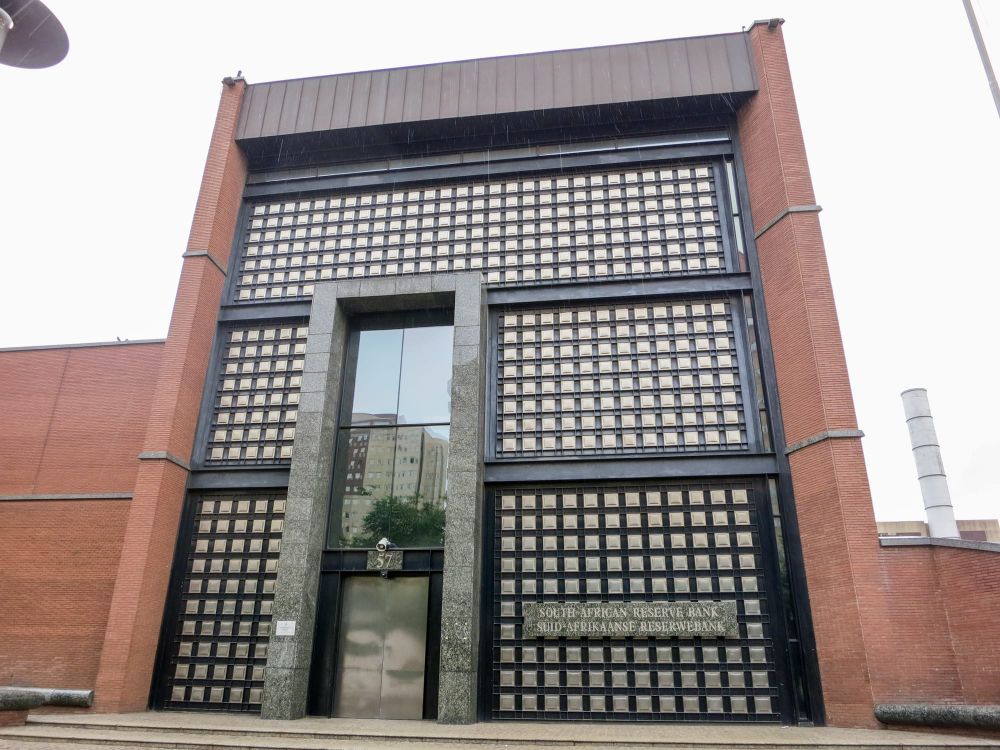
The South African Reserve Bank warned that inflation could remain above its 2%–4% tolerance band into 2027 as energy, food and administered-price pressures intensify. Its October Monetary Policy Review projected headline inflation above 5% until the second quarter of 2027, before returning to the 3% target from the fourth quarter. The bank said policy must prevent those shocks from becoming embedded in inflation expectations and wage setting.
The review covers a period in which the Monetary Policy Committee raised the repo rate by a cumulative 50 basis points to 7.25%. Annual inflation reached 4.4% in August, while the bank cut its 2026 growth forecast to 1.2% from 1.4% in April. It expects growth to improve gradually towards 2% by 2029, leaving policymakers to manage stronger price pressure against a weak domestic economy.
SECOND-ROUND RISKS ARE RISING
South Africa’s reliance on imported oil has amplified the impact of disrupted energy supplies, while administered prices can transmit higher costs across households and companies. Business Day reported that 95-grade petrol in Gauteng rose by R3.33 a litre in October to R30.25, nearly 50% above its March level. Diesel wholesale prices have increased by more than 70% since March, adding pressure to transport and production costs.
The Reserve Bank also identified El Niño conditions and fertiliser constraints as risks to food prices. Those pressures are arriving after gross domestic product expanded by 0.4% in the first quarter and contracted by 0.2% in the second. Persistently higher inflation would therefore constrain consumption and investment while the economy has limited momentum.
NOVEMBER MEETING WILL TEST THE GUIDANCE
The review indicated that the inflation-adjusted policy rate is likely to remain restrictive before moving towards neutral from the second half of 2028. That path is conditional on inflation expectations responding to the 3% target and on temporary shocks not generating broader price increases. The bank’s emphasis on second-round effects signals that wage settlements and service inflation will remain important alongside fuel and food prices.
The Monetary Policy Committee’s final scheduled rate decision of 2026 is due in mid-November. Policymakers will have updated inflation data and further evidence on fuel, food and wage pressures before deciding whether the existing 7.25% rate is sufficient. The next statement will show whether the review’s risk assessment changes the expected duration of restrictive policy, without presupposing another rate increase.