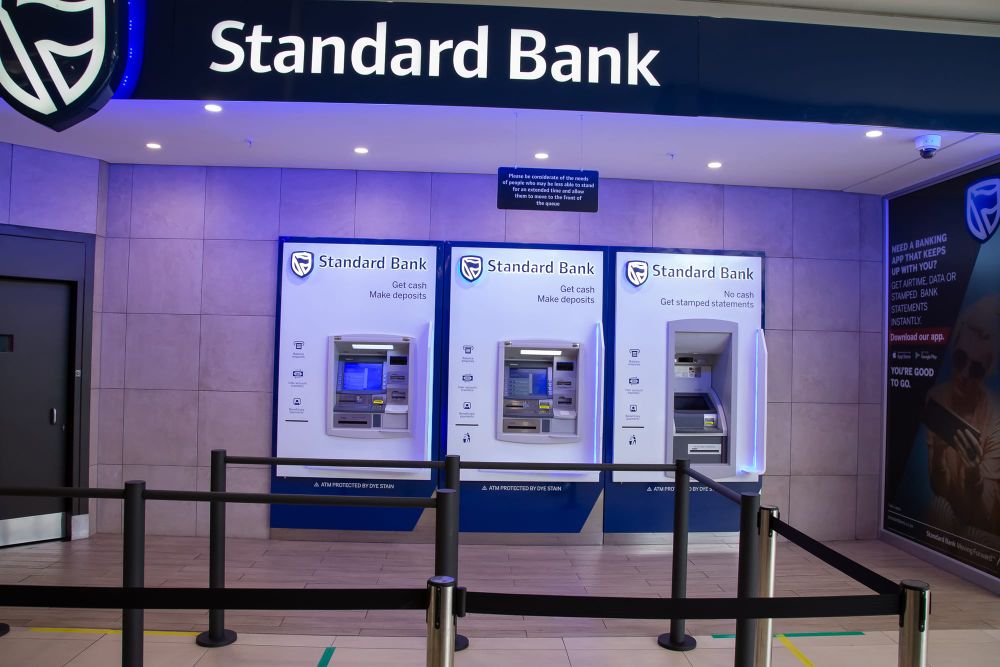
Standard Bank Group signed a subscription agreement to invest in OPay, a digital financial-services platform focused principally on Nigeria. The investment is expected to close concurrently with or shortly after OPay’s proposed initial public offering. OPay filed to list American depositary shares on the New York Stock Exchange on 9 October. Standard Bank did not disclose the investment amount in its 12 October announcement.
The lender said the transaction consideration would be less than 1% of its market capitalisation. That placed the agreement below the threshold for a Category 2 transaction under Johannesburg Stock Exchange listing rules. OPay provides payments, transfers, savings and lending services to consumers, agents and merchants. Standard Bank operates across 21 sub-Saharan African countries.
INVESTMENT DEPENDS ON LISTING
The subscription is conditional on OPay completing its proposed offering. Closing is therefore not assured, and the bank has not presented the agreement as a completed acquisition. Any regulatory conditions attached to the investment will also need to be satisfied.
OPay’s listing filing disclosed that revenue more than doubled in the first half of 2026, according to Reuters reporting cited by Business Day. The fintech primarily serves Nigeria but also operates in other markets. The proposed investment gives Standard Bank exposure to a payments platform while leaving the final stake and valuation dependent on the offering process.
PARTNERSHIP TARGETS DIGITAL DISTRIBUTION
The two groups also intend to explore digital-banking opportunities in African markets. Their plans include distributing selected Standard Bank products and services through OPay’s consumer and merchant platform. Those initiatives remain subject to definitive agreements and regulatory approvals.
The next milestones will be OPay’s offering, the investment closing and disclosure of Standard Bank’s final stake. Details of any product distribution, target markets and required licences will determine whether the partnership produces a material operating expansion. Until those steps occur, the agreement remains a conditional investment rather than a completed transaction.