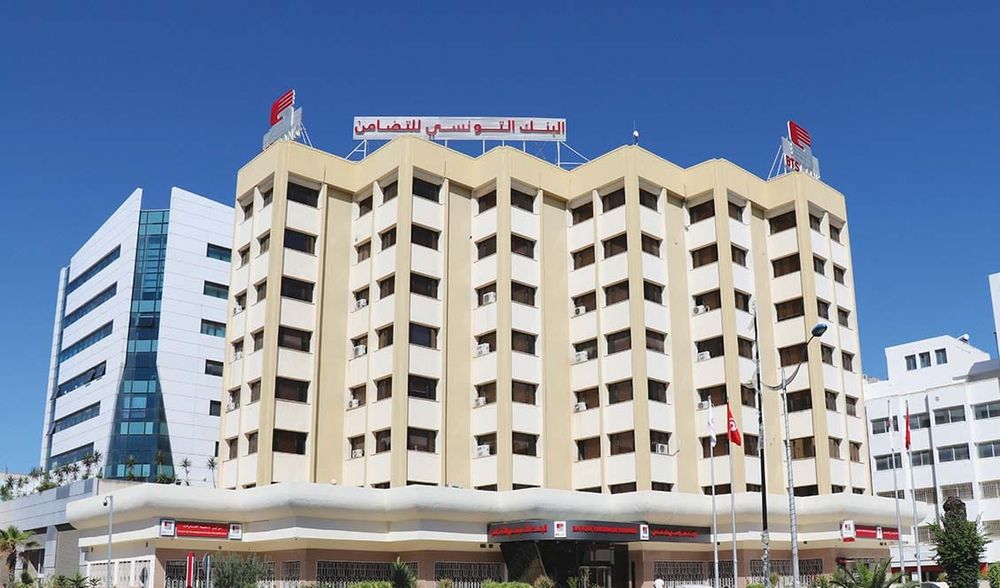
Banque Tunisienne de Solidarité opened a TND20 million seasonal credit line for small date farmers during Tunisia’s 2026-27 agricultural campaign. The financing covers harvesting and storage as well as maintenance and preservation of oases. It is available in Kébili, Tozeur, Gafsa and Gabès. BTS said the loans carry a fixed bank interest rate and require neither collateral nor an own contribution.
The bank said farmers can apply directly or through agricultural service mutuals, agricultural development groups and community companies operating under specific agreements. BTS financing director Mohamed Ali Nhidi told Jawhara FM that applications require a request, an identity-card copy and proof of agricultural land ownership. He said regional branches would receive applications and estimated a ten-day assessment period. Separately, the Tunisian agriculture and fisheries union’s economic adviser told Diwan FM that the TND20 million line had opened.
SEASONAL CREDIT TARGETS HARVEST AND STORAGE
The union adviser said the allocation was 25% larger than the previous year’s line. He put the financing ceiling at TND60,000 for date storage, with a further TND10,000 available for harvesting operations. The official BTS release did not publish an aggregate beneficiary target or state that the full allocation had already been disbursed.
The credit responds to working-capital pressure at the start of the date season. The union adviser reported weak purchasing, delayed payment for some produce sold during the previous season and limited access to bank financing. He said Tunisia’s date transactions had reached nearly TND1 billion by 31 August and exports were about 180,000 tonnes, while arguing that better storage and marketing were needed to improve returns to producers.
IMPLEMENTATION WILL TEST ACCESS
Removing collateral and own-contribution requirements could widen access for small growers who would otherwise struggle to finance seasonal costs. Organised storage may also give farmers more flexibility over when produce is sold, although access will still depend on application processing and local availability. The programme’s impact cannot be assessed from the announced allocation alone.
The next milestones are approvals and disbursements through BTS regional branches during the 2026-27 campaign. Evidence on the number of borrowers, regional take-up and the share of the TND20 million actually deployed will show whether the facility reaches its intended users. Producer payment delays and market access will remain relevant to repayment and the commercial outcome of the harvest.