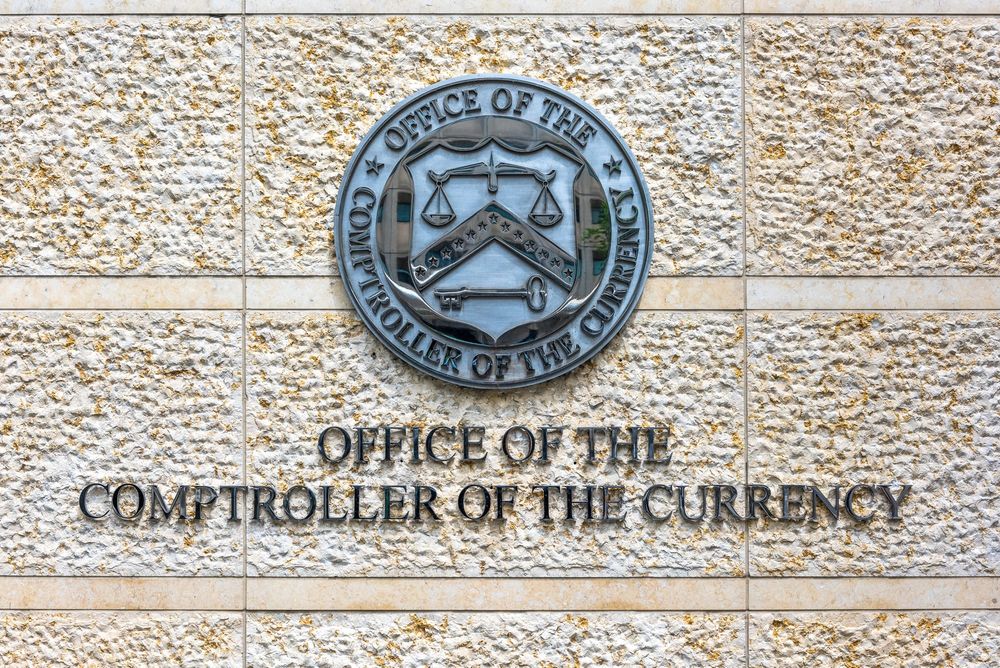
The United States Office of the Comptroller of the Currency launched a reporting tool for community banks to send suspected payment-fraud cases directly to an OCC task force. Comptroller Jonathan Gould announced the initiative after a 6 October panel with community bankers in Minneapolis. The tool covers suspected payment fraud involving OCC-regulated institutions. The agency presented it as part of wider efforts to improve reporting and co-ordination against financial crime.
The OCC said non-mortgage fraud reports in Minnesota more than doubled between 2020 and 2024. Suspicious-activity filings connected to cheque fraud rose by nearly 300% over the same period, according to Gould. Federal Trade Commission data cited by the agency recorded 15,601 Minnesota fraud reports and $86.5 million in total reported losses in 2026. The median reported loss was $288.
DIRECT REPORTING ADDS A REGULATORY CHANNEL
The initiative gives smaller banks a route to alert the OCC task force about suspected payment activity involving institutions supervised by the agency. The OCC did not publish detailed eligibility, data-field or response-time specifications with its announcement. Those operational details will determine how the channel complements existing suspicious-activity reporting and law-enforcement referrals.
Gould also reminded banks about voluntary information sharing under Section 314(b) of the USA PATRIOT Act. American Banker reported that current guidance allows participating institutions to share information about suspected fraud even when the conduct has not been proven. Suspicious activity reports themselves remain confidential and cannot be shared through that process.
EXISTING FRAUD CONTROLS FRAME THE NEW TOOL
The OCC linked the reporting channel to Treasury's broader anti-fraud work. It said Treasury's Do Not Pay programme screened more than 1.1 billion federal payments worth about $3.7 trillion during the last fiscal year. Those checks identified and returned approximately 13,500 payments totalling $175 million that otherwise would have gone to deceased people.
The tool may shorten the route from a community bank's suspicion to regulatory review, but the announcement did not establish enforcement outcomes or mandatory use. Banks will need to assess how submissions fit their existing fraud, privacy and Bank Secrecy Act controls. The next concrete milestones are publication of operating instructions, evidence of bank uptake and any cases advanced through the task force.