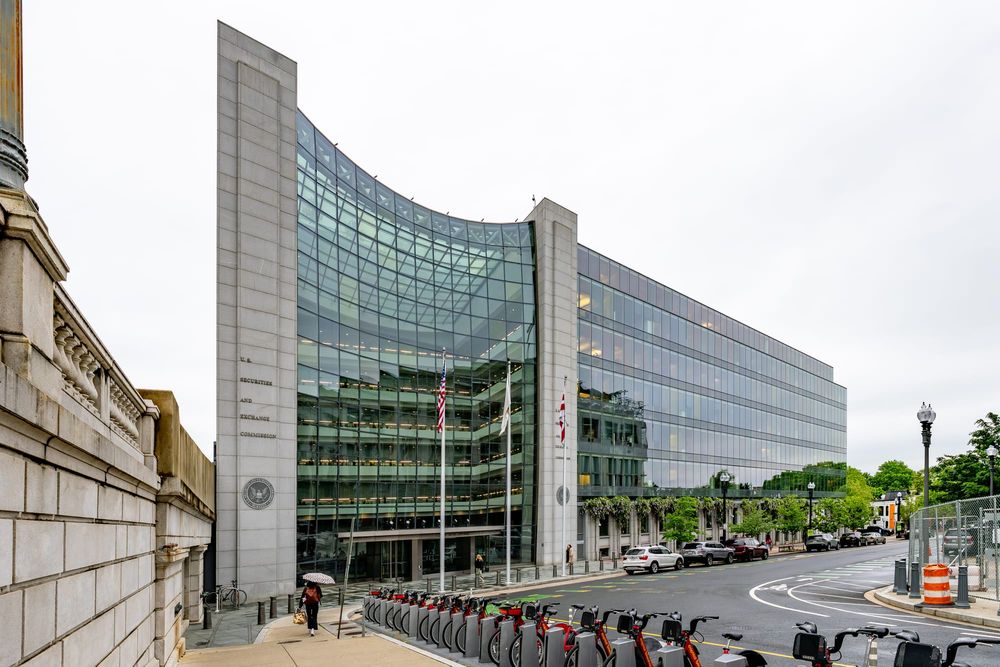
The US Securities and Exchange Commission censured JPMorgan Chase Bank and J.P. Morgan Securities over security-based swap activity involving a statutorily disqualified employee. The regulator said the employee directly effected 100 transactions and supervised traders executing at least 700 more. The activity ran from November 2021 to March 2024. The settled order also requires the firms to cease and desist from further violations.
The employee became subject to statutory disqualification following an earlier regulatory action, according to the SEC. JPMorgan later applied for relief that would allow the individual to remain associated with the firms. The SEC said the transactions occurred before that relief was granted. The firms settled without admitting or denying the findings, except as to the SEC's jurisdiction.
SEC FINDINGS AND REMEDIES
The order found that JPMorgan allowed the associated person to continue activities restricted under the security-based swap regime. It described failures involving both direct transaction work and supervision of other traders. The SEC characterised the violations as willful under the relevant securities-law provisions.
The settlement imposed censures and cease-and-desist relief but no monetary penalty. The SEC credited the firms' self-reporting, cooperation and remedial measures when determining the sanctions. Independent specialist reporting also noted the absence of a financial fine.
COMPLIANCE IMPLICATIONS
The action shows that personnel-disqualification controls apply not only to employees who execute swaps themselves but also to those supervising trading activity. For large dealers, the transaction count makes screening, escalation and role restrictions a significant operational issue. The order also shows how prompt reporting and remediation can influence the penalty outcome.
The proceeding is settled, so the firms must comply with the cease-and-desist order immediately. No further monetary sanction or implementation timetable was specified in the public order. The next public milestone would be any additional SEC disclosure or company filing describing further remediation.