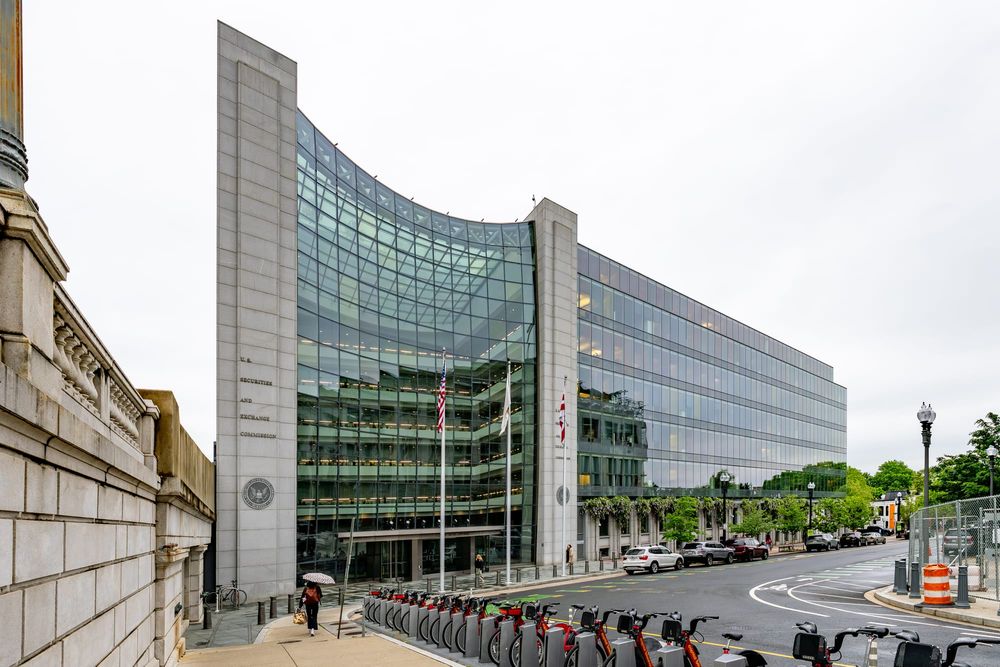
The US Securities and Exchange Commission proposed two sets of rule amendments intended to broaden retail access to private markets, and separately sought comment on new ways for individuals to qualify as accredited investors. The commission voted to propose the amendments on 30 September. The proposals cover performance-based compensation, interval-fund structures and routes for investors to qualify as accredited. None of the measures is final.
One proposal would expand the circumstances in which registered investment advisers may charge performance-based compensation. It would also require additional disclosure about those arrangements. The SEC said advisers to regulated funds may be more likely to offer private-market strategies to those funds if they can receive similar incentives.
FUND RULES WOULD OFFER MORE STRUCTURAL FLEXIBILITY
A second proposal would modernise the interval-fund framework, including by allowing repurchases to be scheduled at times that better match the liquidity profile of a fund's portfolio. It would also replace case-by-case exemptive orders with a rules-based route for multiple share classes at regulated closed-end funds. Business development companies would be included in that framework.
In separate notices, the SEC sought comment on whether passing an accredited-investor exam to be developed by FINRA should be an additional way to qualify as accredited. The SEC also identified five professional credentials for possible recognition: CPA, CFA, CFP, Series 79, and Series 86/87.
INVESTOR PROTECTION REMAINS CENTRAL TO THE DEBATE
Critics raised investor-protection concerns: "The SEC is supposed to protect retail investors from risky private market assets," said Benjamin Schiffrin of watchdog group Better Markets, according to the National Law Journal. The SEC said the amendments would offer expanded retail access to diversified investment opportunities while promoting transparency and aligning incentives.
The measures remain proposals and cannot be treated as adopted rules. Each comment period will remain open for 60 days after the relevant proposal is published in the Federal Register.