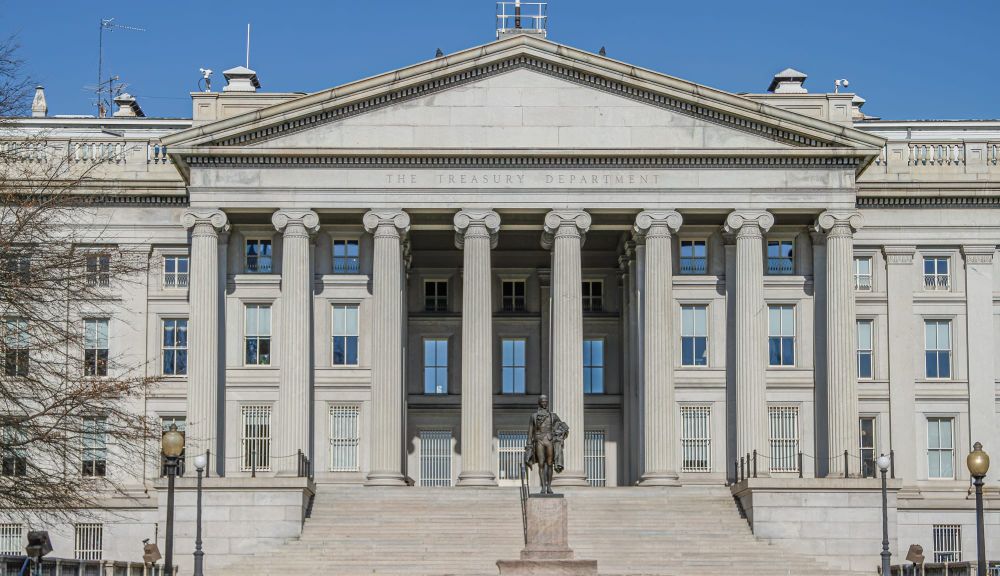
The US Treasury sanctioned the A7 network as a significant transnational criminal organisation on 1 October. Its Financial Crimes Enforcement Network separately proposed prohibiting certain funds transfers involving A7 subagents by covered financial institutions. FinCEN also issued an alert intended to help institutions detect and report suspicious activity linked to the network.
Treasury described A7 as a Russia-linked shadow-banking network used by sanctioned actors, including Iranian entities, to move funds. Those descriptions and the alleged underlying conduct are US government findings and allegations. The OFAC designation is in force, while FinCEN’s transfer prohibition remains a proposal rather than a final rule.
PROPOSAL TARGETS SUBAGENT TRANSFERS
FinCEN’s notice would treat transactions involving companies outside the United States that are controlled by A7 as a class of primary money-laundering concern connected to Russian illicit finance. Covered institutions would be required to prohibit specified funds transfers involving subagents identified by FinCEN.
FinCEN said it could provide and update a list of known subagents through a secure portal used with financial institutions. The bureau said its investigation identified more than $17 billion processed by A7 subagents between January 2025 and June 2026, an assessment that has not been independently adjudicated.
COMMENT PERIOD PRECEDES FINAL RULE
The proposed rule allows comments for 30 days after publication in the Federal Register. FinCEN said the proposal would operate alongside existing OFAC sanctions and would not change institutions’ separate Bank Secrecy Act duties, including suspicious-activity reporting.
Financial institutions must already observe applicable OFAC blocking requirements, but the broader FinCEN transfer ban would take effect only if adopted. The next milestone is the close of the comment period, followed by any final rule specifying the prohibition and compliance arrangements.