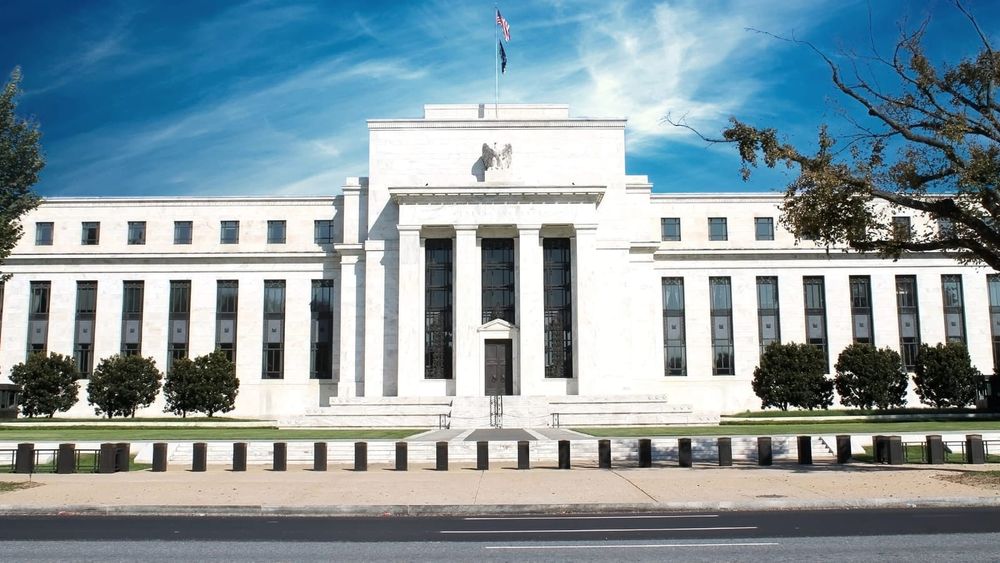
Federal Reserve Chair Kevin Warsh reiterated his commitment to "deliver price stability" in a moderated conversation at the IMF and World Bank annual meetings in Bangkok on Friday. He spoke days after a hotter-than-expected September CPI report strengthened the case for further tightening. Warsh also called soaring investment in artificial intelligence a "shock" to the economy, amid rising energy prices.
The session was scheduled for 03:30 GMT (23:30 US Eastern on Thursday), less than two weeks before the Federal Open Market Committee meets on 27 and 28 October. After the inflation data, interest-rate futures priced roughly even odds of an October hike. Markets had leaned towards a hold before the report, following a weak September jobs report.
FUEL COSTS PUSH SEPTEMBER INFLATION HIGHER
The Consumer Price Index for All Urban Consumers rose 0.6% on a seasonally adjusted basis in September, accelerating from a 0.4% increase in August. Over the 12 months to September, prices for all items increased 3.7%, while gasoline prices rose 34.2%. Both headline and core inflation rose on higher fuel costs.
Fuel costs tied to the war in Iran are the main source of the latest inflation jump, which makes oil prices a central variable for Fed rate expectations. Pimco's Wilding said the hot CPI data sets up "risk management hikes" for the Fed.
WARSH ON AI AND THE INFLATION FIGHT
Warsh said AI promises huge economic benefits in the long run but warned that the path there "is likely to be a very bumpy one."
In his Jackson Hole speech in August, Warsh said inflation was too high and would not return to target on its own, arguing that underlying price pressures had not meaningfully improved. He has judged inflation a bigger concern than the jobs market. He has also said current rates are not restricting activity given strong investment and consumer spending, and has described short-term rates as the Fed's main tool against inflation.
Warsh has also said he opposes giving forward guidance on future meetings.
HOW THE FED REACHED THIS POINT
In September the Fed raised rates by a quarter point to 3.75%-4.00% on a unanimous vote, its first hike since 2023. The move reversed the last of three quarter-point cuts delivered in late 2025 and signalled a clear shift in priorities towards inflation.
Inflation has run above the Fed's 2% goal for years, and higher fuel costs linked to the Iran war have pushed it further from target. Hiring has slowed sharply, but unemployment remains low and within a narrow range.
COMMITTEE DIVISIONS AHEAD OF 27-28 OCTOBER
In September, most Fed officials projected at least one more increase by year-end. Cleveland Fed President Beth Hammack, a voter this year, dissented in favour of a hike in July. She said this week that she believes rates need to rise further to restrain demand, while keeping an open mind on the timing, ahead of the meeting on 27 and 28 October.
Related: Federal Reserve’s Hammack backed faster move towards restrictive US policy