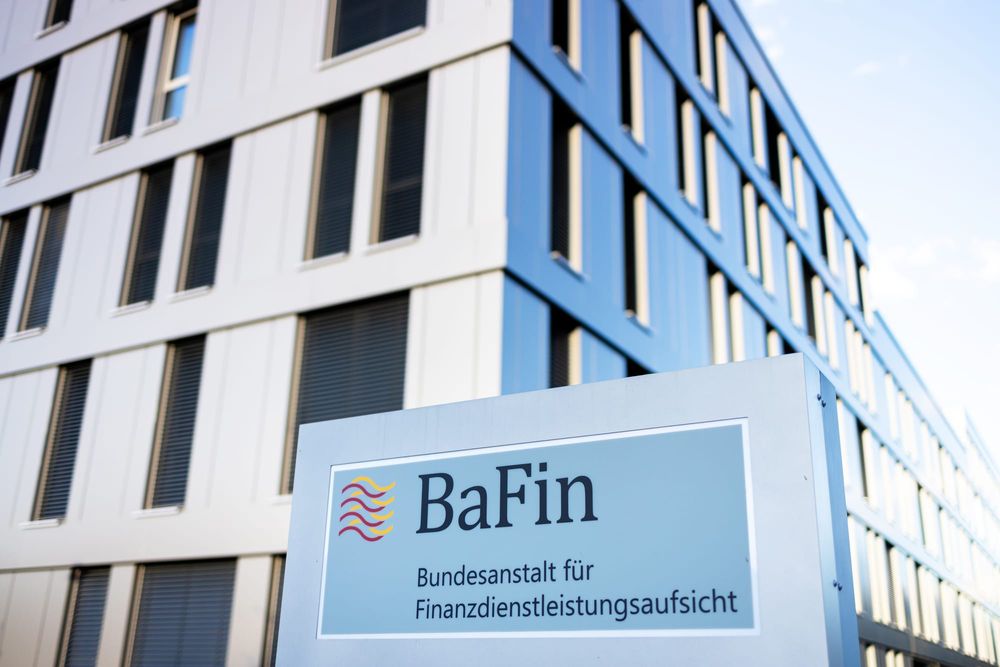
Germany's financial regulator BaFin formally withdrew the special anti-money-laundering monitor it had imposed on Deutsche Bank, ending a supervisory arrangement that had been in place since 2018. The termination, reported on 28 November 2024, marks the conclusion of a multi-year compliance remediation effort at Germany's largest bank and removes one of the most visible and symbolically significant constraints on its operations in recent years.
The AML monitor was installed after BaFin identified deficiencies in Deutsche Bank's transaction monitoring systems, which form a critical part of any bank's financial crime prevention infrastructure. Supervisory monitors of this kind are appointed independently, report directly to the regulator rather than to the institution's management, and carry the power to assess whether remediation steps are genuine and sufficient. Their presence is a strong signal that a bank has failed to meet acceptable standards in detecting and reporting suspicious activity, and their removal is accordingly a meaningful regulatory milestone.
REMEDIATION MEETS OCTOBER DEADLINE
BaFin confirmed that Deutsche Bank had completed the required improvements to its AML controls by an October 2024 deadline that had been set as the benchmark for terminating the monitor arrangement. Over the years the monitor was in place, Deutsche Bank undertook a sustained programme of enhancements to its transaction monitoring infrastructure, adjusted the governance and oversight mechanisms around its financial crime prevention framework, and worked systematically to satisfy the specific concerns the regulator had raised. The determination that those steps were sufficient to justify withdrawing the monitor followed a thorough assessment by the regulatory authority.
The withdrawal of a monitor does not result in a return to ordinary supervisory conditions immediately, and Deutsche Bank will continue to be subject to BaFin's standard oversight of its compliance functions. Regulators typically expect institutions that have undergone formal monitor arrangements to demonstrate sustained improvements over time, and the expectation of continued good performance is implicit in the decision to terminate the formal mechanism. Any regression in AML standards would expose the bank to renewed regulatory intervention.
A STEP FORWARD IN COMPLIANCE STANDING
For Deutsche Bank, the monitor's removal represents a concrete and publicly visible signal of progress in a compliance journey that has required years of investment in technology, personnel, and process improvement. The bank has faced a range of regulatory and legal challenges across multiple jurisdictions, and the AML monitor was among the most prominent domestic constraints it has operated under. Its termination allows Deutsche Bank to advance its regulatory relationship with BaFin on a more conventional footing, which has practical implications for how the bank presents its compliance posture to clients, counterparties, and investors.
The episode illustrates the extended timelines that can accompany AML enforcement actions at major global financial institutions, where the breadth of operations across numerous jurisdictions, currencies, and client types makes remediation a genuinely complex undertaking. Deutsche Bank's experience from the installation of the monitor in 2018 through to its withdrawal in late 2024 spans six years, during which the bank was required to maintain external scrutiny of its financial crime controls while continuing to serve its corporate and institutional client base. The conclusion of that arrangement is a significant marker in the institution's ongoing effort to restore regulatory confidence.