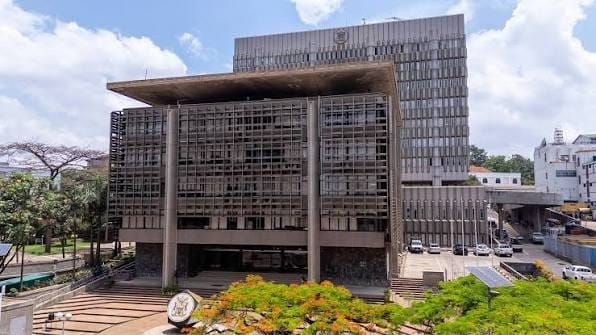
The Bank of Uganda's Monetary Policy Committee (MPC) cut the Central Bank Rate (CBR) by 25 basis points to 9.75% in its October 2024 policy decision, citing an improved inflation outlook, Deputy Governor Michael Atingi-Ego said. The move followed a reduction to 10.00% from 10.25% in August 2024.
The MPC assessed that inflation was expected to remain below target in the near term and that risks to the outlook were balanced, while acknowledging inherent uncertainty that warranted a cautious monetary policy stance. The MPC said that “easing of monetary policy is necessary to keep inflation on track while supporting socio-economic transformation”.
The bands on the CBR remained at plus or minus 2 percentage points, and the margins on the CBR for the rediscount and bank rates were kept at 3 and 4 percentage points. As a result, the rediscount rate and bank rate were reduced to 12.75% and 13.75% respectively.
INFLATION BELOW TARGET
Annual headline and core inflation decreased to 3.0% and 3.7% in September 2024, from 3.5% and 3.9% in August, and both averaged 3.2% over the 12 months to September. Atingi-Ego said the September decline was driven by lower oil and food prices, while the fall in core inflation mainly reflected lower services inflation, particularly in passenger transport. The central bank projected average core inflation to remain below the 5% medium-term target over the next 12 months, supported by a relatively stable shilling and favourable food and oil prices, before returning to and stabilising around the target in the medium term.
On growth, the central bank cited Uganda Bureau of Statistics estimates showing annual real GDP growth of 6.6% in the quarter to June 2024, and said high-frequency indicators pointed to a continuing pick-up in activity. It kept its growth projection at 6.0–6.5% for the 2024/25 financial year and 7.0% in subsequent years, underpinned by government interventions, rising foreign direct investment in the extractive industry and the expected start of oil production in 2025/26.
Bank news that matters, every weekday.
Follow The Global Banker on LinkedIn