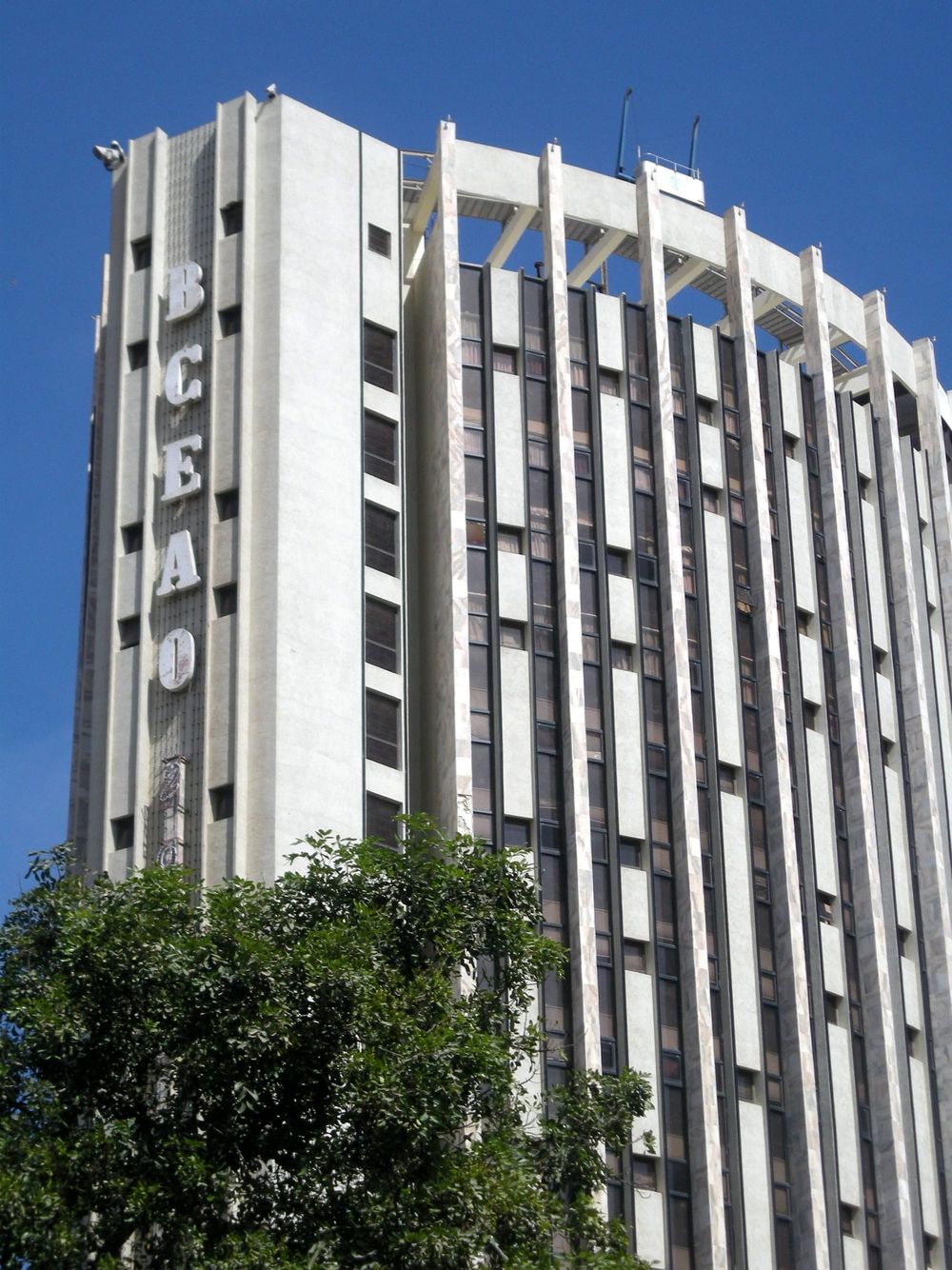
The Banque Centrale des États de l'Afrique de l'Ouest (BCEAO) kept its main policy rate unchanged at 3.50 per cent following its Monetary Policy Committee meeting in Dakar on 5 March 2025. The rate on its marginal lending window was also held at 5.50 per cent. Both rates have been in force since 16 December 2023.
The committee said the decision followed an analysis of economic activity, price developments and the external position of the West African Economic and Monetary Union (WAEMU), whose members are Benin, Burkina Faso, Côte d'Ivoire, Guinea-Bissau, Mali, Niger, Senegal and Togo. It was the committee's first meeting of 2025.
GROWTH REMAINS STRONG
The BCEAO said economic activity in the union remained dynamic, with gross domestic product growing by 7.0 per cent in the fourth quarter of 2024 after 5.8 per cent in the previous quarter. Real GDP growth was estimated at 6.2 per cent for 2024, up from 5.3 per cent in 2023, and is projected at 6.3 per cent in 2025, supported by the extractive, manufacturing and agricultural sectors. Bank credit to the private sector rose by 6.3 per cent year on year at the end of December 2024, compared with 5.8 per cent at the end of September, and is forecast to increase by 8.6 per cent in 2025.
INFLATION EASES
Inflation fell to 2.9 per cent in the fourth quarter of 2024 from 4.1 per cent in the previous quarter, helped by lower prices for imported food and energy and better harvests in the 2024/2025 season. The BCEAO forecast inflation of 2.7 per cent in 2025, after 3.5 per cent in 2024. It said, however, that the risks of renewed price pressures remained high because of persistent security problems in the region, the effect of climate change on food production and the impact of geopolitical and trade tensions on global energy and food prices.
The central bank said the union's external position had improved, reflecting higher export prices, hydrocarbon sales abroad and member states' mobilisation of external resources. The committee said it would continue to monitor inflation and economic, financial and monetary conditions and would take appropriate measures if necessary.
Bank news that matters, every weekday.
Follow The Global Banker on LinkedIn