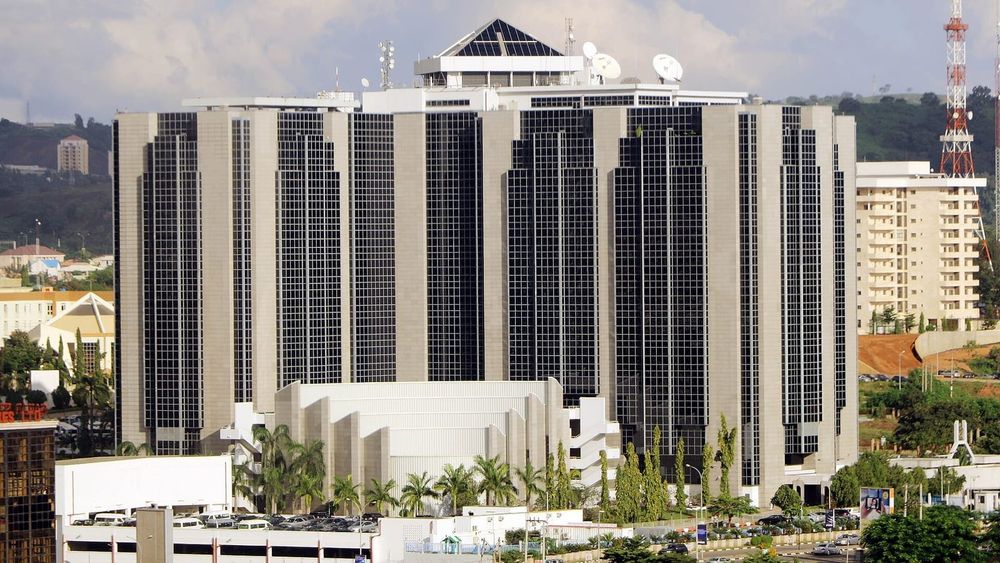
Olayemi Cardoso, governor of the Central Bank of Nigeria (CBN), on Thursday set out the reasons behind the Monetary Policy Committee's (MPC) recent interest rate cut and acknowledged that it caught the market by surprise. Speaking on a panel at the ongoing World Bank/IMF meetings in Bangkok, Thailand, he said several things had happened before the decision that further supported it. The CBN cut the benchmark rate to 23 per cent in September, a move that surprised market watchers and analysts.
"It took the market by surprise, and markets, as we know, generally don't like surprises," Cardoso said at the session, themed "How Central Banks Decide—Committee Decision-Making and Communication in an Era of Uncertainty". He added that once markets had digested the information, they knew there was a break in the transmission. They also recognised, he said, that the action made sense, because they operate in that market.
RESERVES, INFLATION AND GROWTH BACKED THE MOVE
Cardoso said external reserves were the highest the country had had in 18 years before the decision was taken. Inflation was coming down consistently even though it was rising in many other countries, and growth was continuing at a reasonable pace.
He said this macro picture showed Nigeria was in a relatively good place to do what the monetary authorities could have done earlier. In his words, the country was in a very good position to correct "an imbalance in our transmission mechanism that has been dying to be corrected". "Whatever be the case, we have the buffers, we're in a good place, the macros are looking well, that really there's nothing for anybody to worry themselves about," he said.
COORDINATION AND COMMUNICATION AHEAD OF THE DECISION
Cardoso said the CBN had significantly changed many things that were not working before the cut, including coordination between the fiscal and monetary authorities. The two sides signed a memorandum of understanding to ensure they were "all on the same page", which he said was very well received. He also said the overnight rate gives more clarity on real rates than the system previously in place.
On messaging, Cardoso said the communications aspect was "very, very well thought through". At the post-MPC press dialogue he spent more time than normal explaining where the bank was coming from. He praised the fiscal authorities for providing synergy that ensured smooth transmission and communication of policy decisions, and said a central bank must have an element of credibility with the markets to make such a move successfully.
HOW THE POLICY RATE REACHED 23 PER CENT
The Monetary Policy Rate (MPR) stood at 27.50 per cent at the MPC's July 2025 meeting. The committee cut it by 50 basis points to 27.00 per cent in September 2025, then held it at 27.0 per cent at its November 2025 meeting.
At its 304th meeting on 23-24 February 2026, the MPC reduced the rate by 50 basis points to 26.5 per cent. It left the cash reserve requirement unchanged at 45 per cent for deposit money banks, 16 per cent for merchant banks and 75 per cent for non-TSA public sector deposits. The MPR was then held at 26.5 per cent in May and July, before the cut to 23 per cent in September.
EARLIER REASONING ON DISINFLATION AND LIQUIDITY
When the MPC began easing in September 2025, it said its decision rested on five months of sustained disinflation, projections of declining inflation for the rest of 2025 and the need to support economic recovery. The committee's statement also named sustained disinflation, improved output growth, a stable exchange rate and robust external reserves. It further flagged a persistent build-up of excess liquidity in the banking system, resulting largely from fiscal releases emerging from improved revenues.
Related: Central Bank of Nigeria discloses N430 million in fines on banks for complaints-handling failures
Bank news that matters, every weekday.
Follow The Global Banker on LinkedIn