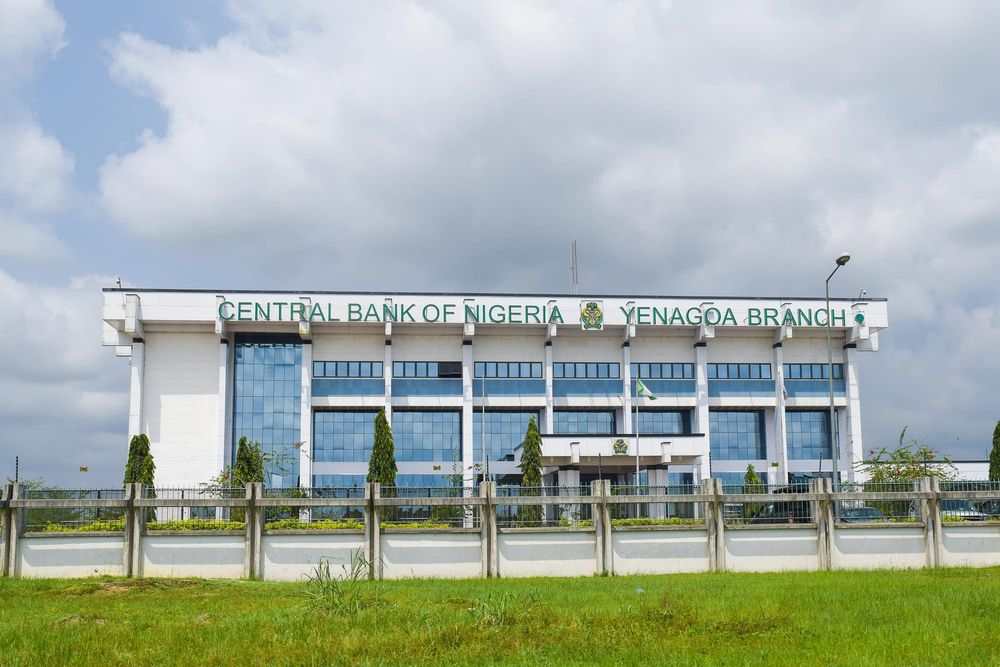
The Central Bank of Nigeria's Monetary Policy Committee has kept the Monetary Policy Rate at 23%, Governor Olayemi Cardoso said on Tuesday in Abuja as he presented the communique from the committee's 308th meeting. It was the first meeting since the central bank cut the benchmark rate to 23% from 26.50% in September 2026, according to Business Post Nigeria.
The committee agreed to keep rates intact to further monitor the impact of the last cut. The hold came even though inflation for October 2026 cooled to 14.06%, according to the National Bureau of Statistics. The central bank also announced the decision in a statement on its official X account, TVC News reported.
CASH RESERVE RULES UNCHANGED
Cardoso said the effects of monetary policy were gradually filtering through the financial system, with interbank rates moving closer to the lower band of the corridor. He said credit to the private sector was rising gradually, although the cost of borrowing still needed attention. The previous adjustment, he explained, was meant to bring the policy rate closer to market realities rather than signal a shift towards monetary easing.
AFTER SEPTEMBER'S CUT
Nigeria's commercial and merchant banks held N167.33tn of assets at end-2025, equivalent to about US$117bn at the official rate, according to TGB's market profile of Nigeria, and the CBN register lists 28 commercial, five merchant and five non-interest banks. At its 307th meeting in September, the committee cut the benchmark rate by 350 basis points, from 26.50% to 23%, the News Agency of Nigeria recalled.
The largest lenders are organised under holding companies, several of which own banking subsidiaries outside Nigeria. The committee noted the continued resilience of the banking system, underpinned by adequate capital buffers and improved risk management, and encouraged the CBN to remain vigilant in its regulatory surveillance of the banking system.
FESTIVE AND ELECTION SPENDING
The committee noted that headline inflation had moderated for five consecutive months, reflecting sustained exchange rate stability and improved monetary policy transmission. Prevailing headwinds have slowed the pace of that moderation, however, and Cardoso said the committee observed that the anticipated increase in spending from the end-of-year festive season and election-related activities could affect aggregate demand, with likely upward pressure on prices.
Members expressed confidence that continued exchange rate stability and improved food supply from the harvest season would further strengthen the disinflationary process. The governor reiterated the CBN's commitment to bringing inflation into single digits.
On foreign exchange, Cardoso said Nigeria's external reserves remained strong at between US$54bn and US$55bn, providing approximately 10 months of import cover, and that diaspora remittance inflows exceeded US$900m in the previous month.
THE TGB VIEW
TGB's ranking of the largest banks in Sub-Saharan Africa 2026 includes four groups from Nigeria: Access Holdings is 6th with US$35.9bn of total assets at end-2025, ahead of United Bank for Africa (8th), Zenith Bank (10th) and First HoldCo (11th). Zenith Bank has the highest return on equity of the four at 21.1%, against 18.5% at Access Holdings, although TGB's table notes that the naira returns of Access Holdings and Zenith Bank reflect high domestic inflation and interest rates. Cardoso said the committee would assess the data at each meeting and adjust its decisions where necessary.
Related: Central Bank of Nigeria discloses N430 million in fines on banks for complaints-handling failures
Bank news that matters, every weekday.
Follow The Global Banker on LinkedIn