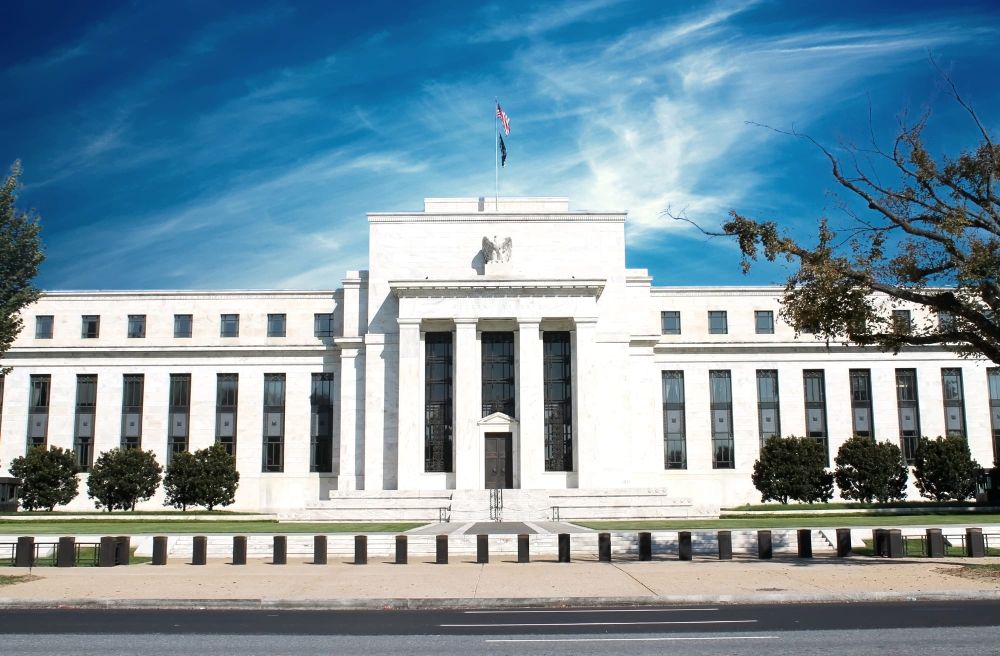
The Federal Reserve lowered its federal funds target rate by 50 basis points to a range of 4.75% to 5.00% on 18 September 2024, marking the first reduction in the policy rate since March 2020 and formally opening an easing cycle after more than two years of monetary tightening. The decision was approved by an 11-1 vote of the Federal Open Market Committee, with Governor Michelle Bowman casting the sole dissent, having preferred a smaller 25 basis point reduction.
The Fed had held rates at their prior level of 5.25% to 5.50% for more than a year.
THE DISSENT
Governor Bowman's dissent was the first dissenting vote by a Federal Reserve governor since 2005.
The 11-1 majority opted for the larger move, and the press release issued by the Board of Governors stated that the Committee had gained greater confidence that inflation was moving sustainably towards its 2% objective. The statement also noted that the risks to achieving its employment and inflation goals were roughly in balance.
The decision brought the federal funds rate to its lowest level since early 2023, when the Fed was still in the midst of its tightening phase. The 50 basis point move was larger than the 25 basis point steps with which the Fed had ended its 2022–2023 tightening cycle, though smaller than the 75 basis point increases it delivered during 2022.
CONTEXT OF THE FIRST CUT SINCE 2020
The last time the Fed cut rates was in March 2020, when it cut borrowing costs to near zero in response to the economic shock of the Covid-19 pandemic. The tightening cycle that followed — which brought the federal funds rate from near zero to its peak range of 5.25% to 5.50% between March 2022 and July 2023 — was the fastest in four decades, a response to inflation that reached a four-decade high of 9.1% in June 2022.
By September 2024, consumer price inflation had retreated from that peak, though the Fed's preferred measure, the personal consumption expenditures price index, remained above the 2% target. Labour market data had also begun to reflect some moderation, with monthly payroll additions running at a slower pace than during the post-pandemic recovery.
The Fed's statement indicated that the Committee would continue to monitor a wide range of economic indicators and stood ready to adjust the stance of monetary policy as appropriate to support its dual mandate of maximum employment and price stability. The Fed did not commit to a specific path for the federal funds rate beyond the 18 September decision.
Bank news that matters, every weekday.
Follow The Global Banker on LinkedIn