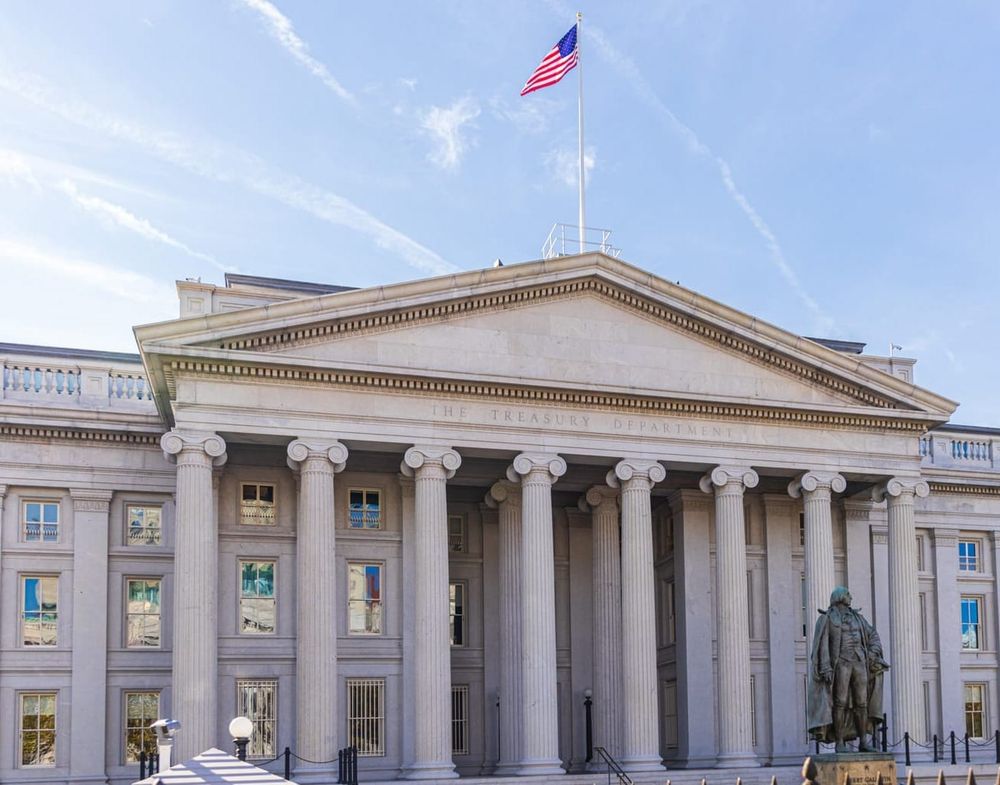
The US Treasury's Financial Crimes Enforcement Network (FinCEN) has issued a proposed rule to strengthen customer due diligence requirements, which it describes as integral to efforts to combat money laundering and counter the financing of terrorism. The proposal is part of the Treasury's implementation of Executive Order 14406, Restoring Integrity to America's Financial System.
The rule would codify relief FinCEN had already granted, so that covered financial institutions would no longer have to identify and verify the beneficial owners of a legal entity customer each time that customer opens a new account. It would also state explicitly that institutions can obtain additional information about those owners that may be useful in mitigating risk or addressing supervisory concerns, and it would specify the information an institution must obtain about each beneficial owner.
LESS REPETITION, MORE DISCRETION
"Financial institutions are on the front lines of protecting our financial systems from criminal organizations and cartels that target law-abiding businesses and workers," said Treasury Secretary Scott Bessent, adding that the proposed rule "cuts unnecessary burden, gives institutions more flexibility to effectively combat risk, and strengthens our fight against financial crime."
Comptroller of the Currency Jonathan V. Gould issued a statement supporting the proposed amendments. He said the proposal would help banks focus their resources on risk "by reducing duplicative beneficial ownership identification and verification when an existing legal entity customer opens another account."
A press report described the effect as giving banks "more leeway to dig into who owns a business when they see potential red flags."
HOW THE PROPOSAL GOT HERE
According to a trade-press report, the proposed rule was submitted to the Office of Management and Budget's Office of Information and Regulatory Affairs on 17 September, although that notice did not disclose what changes the proposal would contain.
According to a separate press report, President Trump's executive order directs the Treasury to strengthen customer due diligence and says financial institutions should be able to seek information about immigration status and work authorisation when relevant to assessing fraud or other illicit activity. The proposal does not require banks to verify every customer's immigration status, the report said.
BURDEN AND SAFEGUARDS
"Effective Bank Secrecy Act compliance depends on understanding customers and the risks their activities present," Gould said, arguing that reducing unnecessary regulatory burden and maintaining strong safeguards against financial crime "are complementary goals."
FinCEN said it welcomes public comments, which close 60 days after the proposed rule is published in the Federal Register. Gould encouraged stakeholders to review the proposal and comment on how the requirements can best support effective, risk-based compliance.
THE TGB VIEW
The rule lands on a market with many small lenders but concentrated assets: TGB's US market profile counts 4,238 FDIC-insured banks and savings institutions at end-June 2026, and community banks make up 90% of institutions, even though the 18 institutions with assets above US$250bn hold 64% of industry assets. The relief is meant to cut repeat work for covered financial institutions, so the comment window, which closes 60 days after Federal Register publication, is where lenders can say whether the information the rule would require about each beneficial owner offsets the relief.
Bank news that matters, every weekday.
Follow The Global Banker on LinkedIn