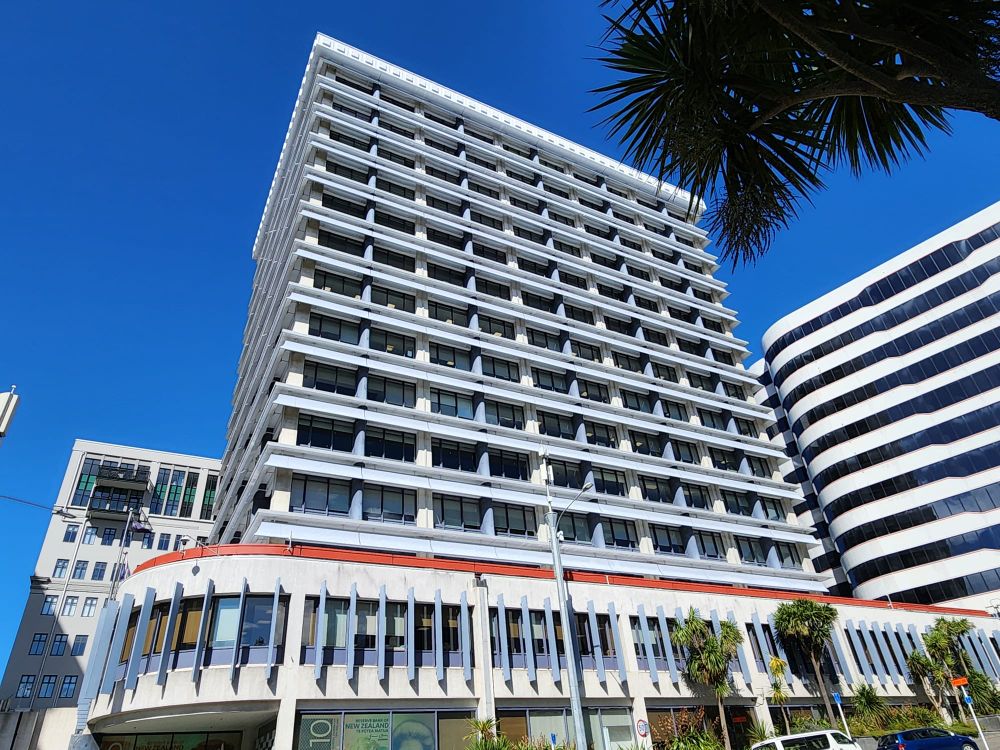
The Reserve Bank of New Zealand has appointed Christian Hawkesby as interim Governor for a period of six months, following the unexpected resignation of Adrian Orr in March 2025. The appointment took effect in April 2025, providing the central bank with leadership continuity as the government begins the process of identifying a permanent successor. Orr's departure came without prior public indication, creating the need for a swift and credible response from the RBNZ board and the government.
As the RBNZ's Deputy Governor since 2022, Hawkesby was the natural candidate for the interim role. His familiarity with the institution's governance structures, active involvement in policy deliberations, and longstanding relationships with key external stakeholders — including the Treasury, commercial banks, and international central banking counterparts — made the appointment both practically straightforward and reassuring for financial market participants who look to the RBNZ for clear and consistent monetary policy signals. The government confirmed the six-month appointment promptly, minimising the period of formal leadership uncertainty and avoiding the perception of an institutional vacuum at the top of the central bank.
HAWKESBY'S BACKGROUND AND CENTRAL BANKING CAREER
Hawkesby brings a combination of domestic institutional experience and international central banking exposure to the role. Before joining the RBNZ, he held senior roles at the Bank of England, where he worked until 2010 in functions that spanned monetary policy analysis and financial stability. That earlier career at one of the world's most prominent central banks gave him a grounding in international best practice that has informed his approach to the RBNZ's own analytical and operational frameworks in the years since.
His tenure as Deputy Governor since 2022 placed him at the centre of the RBNZ's most demanding policy period in recent memory. The bank tightened monetary conditions aggressively to combat post-pandemic inflation, raising the Official Cash Rate through a rapid cycle before pivoting toward easing as price pressures moderated. Hawkesby's direct participation in those decisions means that as interim Governor he carries an intimate understanding of the reasoning behind current policy settings and is well placed to communicate those positions to the public and markets without a transitional learning curve.
SEARCH FOR A PERMANENT GOVERNOR
The RBNZ board is expected to conduct a formal recruitment process during Hawkesby's six-month interim tenure, with the goal of naming a permanent Governor well before the interim arrangement expires. The role is among the most consequential in New Zealand's economic governance architecture: the Governor chairs the Monetary Policy Committee, is responsible for financial stability oversight, and is the institution's principal public voice on matters ranging from interest rate decisions to macro-prudential interventions such as loan-to-value restrictions on mortgage lending.
Orr had served as Governor since 2018 and presided over the institution through a period of extraordinary macroeconomic volatility that encompassed a global pandemic, a surge in asset prices, a sharp inflation episode, and a subsequent tightening cycle. The specific circumstances of his departure have not been elaborated upon publicly. Hawkesby is expected to maintain the RBNZ's existing policy orientation, sustain clear communication with financial markets, and ensure that the central bank's credibility on monetary policy and financial stability remains intact while the permanent appointment process runs its course.