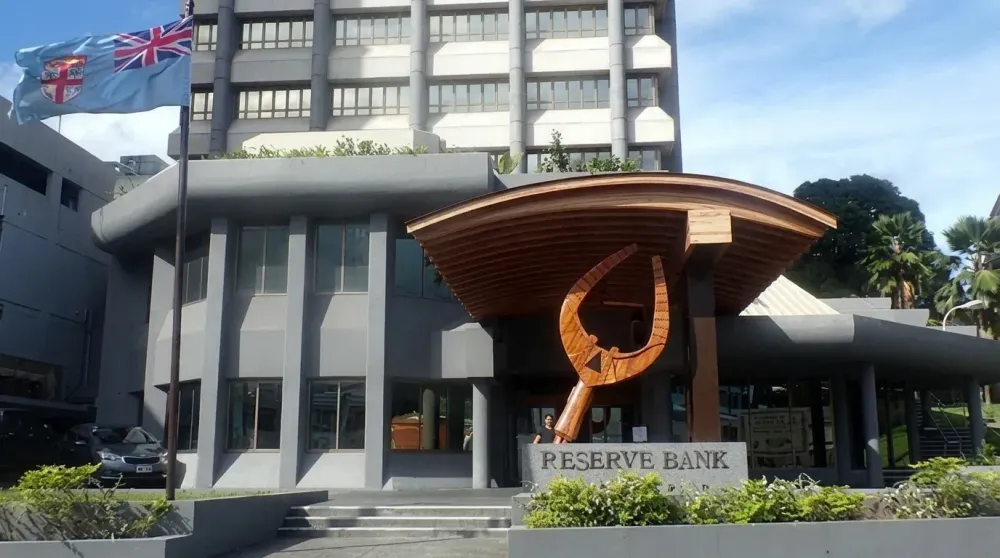
The Reserve Bank of Fiji has approved the reactivation of its Disaster Rehabilitation and Containment Facility, with an allocation of $100.0 million for businesses hurt by the El Niño drought. The central bank's board took the decision at its meeting on 26 November 2026.
The facility will be available from 1 December 2026 to 30 April 2027, or until the funds are fully used, whichever comes first. Eligible businesses can apply for funding of up to $200,000 at a maximum interest rate of 3.99 per cent a year, with repayment terms of up to five years, the central bank said.
HOW THE MONEY REACHES BORROWERS
Access to the funding will go through commercial banks, the Fiji Development Bank and licensed credit institutions, and applicants must meet the lending and credit assessment criteria of the participating institution.
Ariff Ali, the RBF governor and board chair, said the reactivation reflected the bank's commitment to supporting businesses, particularly micro, small and medium enterprises, affected by the prolonged dry conditions. The RBF said the drought had placed considerable strain on economic activity and livelihoods, and that the facility complements support measures already provided by the Fiji Government.
A DROUGHT DECLARED A NATIONAL DISASTER
Fiji has declared a national state of disaster for the whole country as the drought reached crisis levels, with the government allocating $20 million (US$10 million) for emergency water supplies and support for communities, farmers and livestock owners. A declaration remains in force for a maximum of 30 days, and the government had delivered more than two million litres of emergency water to maritime communities over the month before it.
The Fiji Meteorological Service expects below-normal rainfall for the rest of the year and into early 2027, and 1News reported that El Niño conditions were likely to reach very strong intensity.
The Asian Development Bank said on 16 September 2026 that persistently high energy prices from the Middle East conflict and the anticipated impact of El Niño were likely to slow Fiji's economic growth this year. Its financing for Fiji is aimed at containing the economic fallout from the Middle East conflict and preparing for future economic and environmental shocks.
LIQUIDITY IN THE BANKING SYSTEM
When the RBF kept its Overnight Policy Rate at 0.25 per cent at its meeting on 27 August, it put banking system liquidity at around $2.0 billion, which it said was helping to keep lending rates low and supporting private sector credit growth of 14.6 per cent in July.
THE TGB VIEW
This allocation is half the size of an earlier version of the facility, which had $200 million available and came with the government fully subsidising interest payments for the first two years. The 3.99 per cent ceiling on what borrowers pay is the same as before. The facility runs until 30 April 2027 at the latest, while the weather service expects below-normal rainfall into early 2027, so the window for new loans covers the whole of that forecast dry spell.
Bank news that matters, every weekday.
Follow The Global Banker on LinkedIn