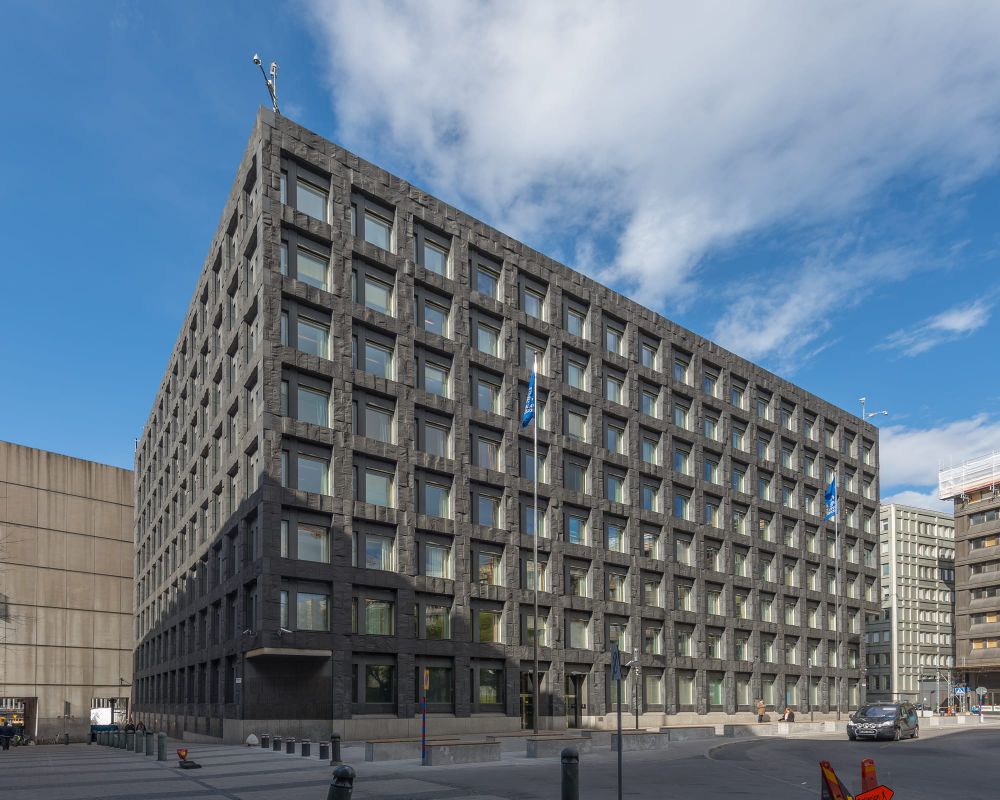
Sveriges Riksbank cut its policy rate by 0.25 percentage points to 1.75% on 23 September 2025, its first reduction since June, and said the rate is expected to remain at that level for some time to come if the outlook for inflation and economic activity holds. The new rate applies from 1 October 2025.
The Executive Board said the cut was intended to provide further support to the recovery and to stabilise inflation at the target in the medium term. It noted that growth in Sweden had been weak for a long time, that the timing of the expected recovery had been gradually pushed forward and that the turnaround in the labour market appeared to be taking longer than expected, although there were some signs that the conditions for stronger activity had improved recently.
INFLATION JUDGED TRANSITORY
Inflation in Sweden remained elevated in August, but inflation excluding energy prices declined somewhat and approached the Riksbank's earlier forecast. The central bank said new information, including lower company pricing plans and a stronger krona, had given further reassurance that the high inflation was transitory. It added that tax cuts announced by the Government would slow inflation temporarily in 2026 but were not assessed to materially affect inflationary pressures.
The Riksbank's forecasts put CPIF inflation at 2.6% in 2025 and 1.0% in 2026, with GDP growth of 0.9% in 2025 and 2.7% in 2026. Its policy rate path shows the rate at 1.75% through the third quarter of 2026.
RISKS AND DISSENT
The Executive Board cautioned that the outlook for inflation and economic activity was uncertain and that other factors could lead to a different design of monetary policy going forward. It cited uncertainty over household saving behaviour and the effect of the tax cuts, alongside geopolitical conflicts, the unpredictability of US trade policy and weak government finances in several countries.
Deputy Governor Anna Seim entered a reservation against the decision, favouring an unchanged rate together with a policy rate path signalling some probability of a further cut later in the year. She argued that a vulnerable supply side, combined with expansionary fiscal policy in 2026, meant inflation could surprise on the upside.
Bank news that matters, every weekday.
Follow The Global Banker on LinkedIn