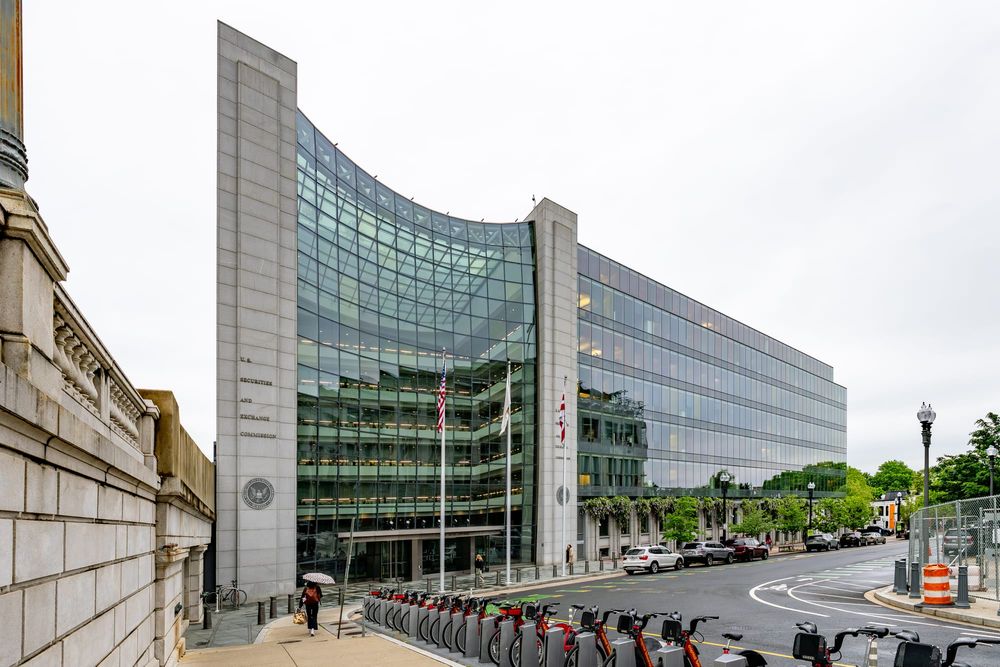
The US Securities and Exchange Commission adopted its final climate-related disclosure rules on 6 March 2024. The rules, formally published under Release Nos. 33-11275 and 34-99678, require large US registrants to disclose material climate-related risks, the governance processes they use to oversee those risks, and the strategies they have adopted in response to the physical and transition risks that climate change poses to their businesses.
The rulemaking concludes a process that began with a proposal issued in 2022 and attracted more than 24,000 comment letters (including more than 4,500 unique letters) from companies, investors, industry groups, and environmental advocates.
SCOPE 1 AND SCOPE 2 EMISSIONS DISCLOSURE MANDATED
Under the final rules, large accelerated filers and accelerated filers will be required to disclose their material Scope 1 and/or Scope 2 greenhouse gas emissions, subject to assurance — that is, direct emissions from company operations and indirect emissions from purchased energy respectively. The Scope 3 category, covering emissions across the broader supply chain and value chain, was dropped from the final rules.
The rules also call for companies to describe any climate-related targets or goals they have set, the transition plans they have adopted, and the processes by which boards and management bodies oversee climate risk. Registrants must also disclose, in a note to the financial statements, the costs, expenditures and losses incurred as a result of severe weather events and other natural conditions, subject to a 1% disclosure threshold.
Compliance is phased according to registrant size. Large accelerated filers are expected to begin reporting under the new regime for fiscal years beginning in 2025 (with GHG emissions disclosure from fiscal years beginning in 2026). Smaller reporting categories follow on a staggered schedule, with the full framework taking several years to become applicable across the entire registrant population.
LEGAL CHALLENGES FILED
The rules immediately attracted legal challenges from a group of ten states led by West Virginia and from energy companies Liberty Energy and Nomad Proppant, who filed petitions arguing that the SEC had exceeded its statutory authority and that the rules imposed disproportionate compliance costs.
The SEC's position was that the final rules represented a proportionate and legally grounded response to material investor need for standardised climate risk information.
Bank news that matters, every weekday.
Follow The Global Banker on LinkedIn