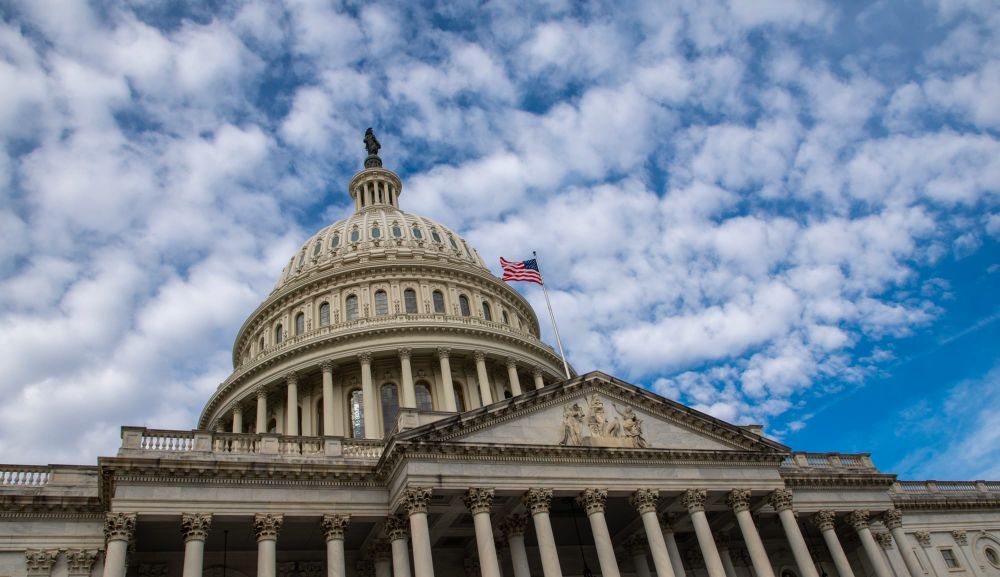
President Donald J. Trump signed the Guiding and Establishing National Innovation for US Stablecoins Act — known as the GENIUS Act — into law on 18 July 2025, marking the first time the United States has enacted a comprehensive federal regulatory framework specifically governing payment stablecoins. The signing followed the House of Representatives passing the legislation by 308 votes to 122.
It classifies payment stablecoins as neither securities nor commodities, instead placing their oversight with federal and state banking regulators.
KEY PROVISIONS AND ISSUER OBLIGATIONS
The GENIUS Act imposes a tiered set of obligations calibrated to the scale of an issuer's operations. All permitted issuers must hold 100% reserves in liquid assets such as US dollars and short-term Treasuries, publish monthly reserve disclosures and maintain clear redemption policies, while issuers with more than $50 billion in outstanding stablecoins must also publish annual audited financial statements. Reserves may not be pledged, rehypothecated or reused except in limited cases, and holders have priority claims on them if an issuer fails.
The Act prohibits non-permitted issuers from offering payment stablecoins. It establishes a licensing regime under which only entities that have met the requisite regulatory criteria may legally issue payment stablecoins in the United States.
WHITE HOUSE FACT SHEET
The White House published a fact sheet outlining the key provisions of the Act on the day of signing.
Bank news that matters, every weekday.
Follow The Global Banker on LinkedIn