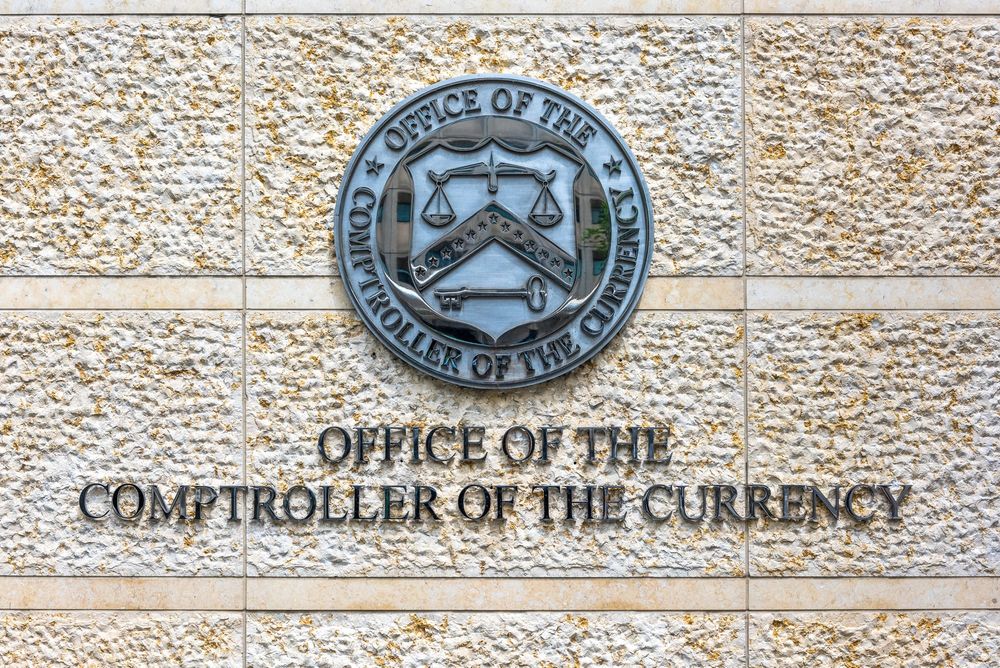
The Office of the Comptroller of the Currency withdrew from the interagency climate risk management principles for large financial institutions on 31 March 2025. The move removes the OCC from a supervisory framework that had been developed jointly with other United States federal banking regulators to provide expectations around how large banks should identify, measure, monitor, and manage climate-related financial risks as a component of their broader enterprise risk governance.
The principles drew opposition from industry groups and Republican lawmakers, who argued that the guidance exceeded the prudential mandates of banking supervisors.
HOOD CITES BURDEN AND DUPLICATION
Acting Comptroller Hood characterised the climate risk principles as overly burdensome and duplicative of existing risk management guidance that banks are already required to adhere to under longstanding safety-and-soundness frameworks. In the statement issued on 31 March, Hood said the OCC's existing guidance for banks to maintain a sound risk management framework applies to all activities, including potential exposures to severe weather events or natural disasters, and that he would look to calibrate regulatory requirements to be "effective, not excessive".
SCOPE AND CONTEXT
The withdrawal affects large national banks and federal savings associations supervised by the OCC.
Days earlier, the SEC had voted to end its legal defence of its climate disclosure rules.
Bank news that matters, every weekday.
Follow The Global Banker on LinkedIn