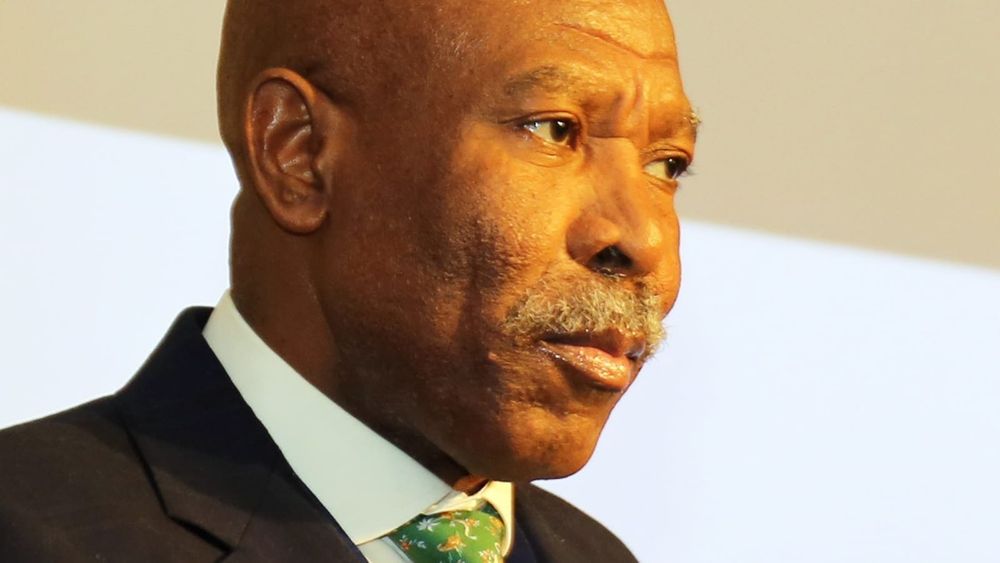
The South African Reserve Bank left its policy rate unchanged at 7.25% on Thursday, but the vote was close: four members of the committee preferred no change, while three favoured an increase of 25 basis points. Governor Lesetja Kganyago announced the decision on Thursday afternoon.
The prime lending rate stays at 10.75%. "After two policy adjustments this year, and with a moderately restrictive policy stance, we decided to pause for now," Kganyago said, adding that the committee "will not hesitate to raise rates if needed, to return inflation to target over the policy horizon."
FUEL PUSHES INFLATION ABOVE 5%
The decision followed a rise in headline consumer inflation from 4.5% in September to 5.2% in October, the highest rate since May 2024, The National reported. Consumer prices rose by 0.7% in the month alone.
The Reserve Bank said near-term inflation is above 5% mainly because of fuel costs. Fuel inflation is around 40% and petrol costs almost R30 a litre, up from R21 a year ago; over a third of all inflation in the country is coming from transport, the statement said. The bank expects inflation above 5% to persist into early next year before easing.
A PAUSE AFTER A UNANIMOUS RISE IN SEPTEMBER
Thursday's split contrasts with the September meeting, when the committee voted unanimously to raise the rate by 25 basis points to 7.25%, effective from 25 September. At that meeting the bank noted that the economy had contracted by 0.2% in the second quarter.
Kganyago said a gradual recovery now appears to be under way, and the bank expects growth to pick up to about 2% a year over the forecast period, from just over 1% now. He warned that fixed investment, at about 13% of output, is much too low.
CORE INFLATION, THE RAND AND EL NIÑO
The committee assesses inflation risks to the upside. It is concerned about an upward trend in core inflation, which it needs to see reverse to show that price setters are aligning with the 3% target, and about the El Niño weather pattern: water restrictions have already been announced for the Western Cape because of lower dam levels.
The rand weakened from around R16.38 against the dollar at the start of November to R17.30 on Thursday. In the bank's scenario with oil peaking at $130 a barrel, headline inflation stays above 5% next year, growth is about 1% and the policy rate moves higher by around two hikes; a scenario with globally higher bond yields and a weaker rand pointed to at least two hikes.
The bank's Quarterly Projection Model still shows lower rates next year as inflation drops back towards 3%. At the previous meeting, the model suggested the repo rate could decline to around 6.5% by the end of 2027 and 6% by the end of 2028, The National reported.
THE TGB VIEW
South Africa has the largest banking system in sub-Saharan Africa, with sector assets of R9.13tn in July 2026, and Standard Bank leads the TGB Bank Rankings for Africa with US$218bn of assets and a 17.5% return on equity for 2025, while FirstRand reported 18.3% in the year to June 2025. The bank's model shows lower rates next year based on inflation dropping back towards 3%, but three members already voted for a rise, so the prime rate of 10.75% offers borrowers no relief yet. The next decision is due on 28 January 2027, after the committee has watched how surveyed expectations respond to high inflation.
Related: South African Reserve Bank warned inflation could stay above tolerance into 2027
Bank news that matters, every weekday.
Follow The Global Banker on LinkedIn