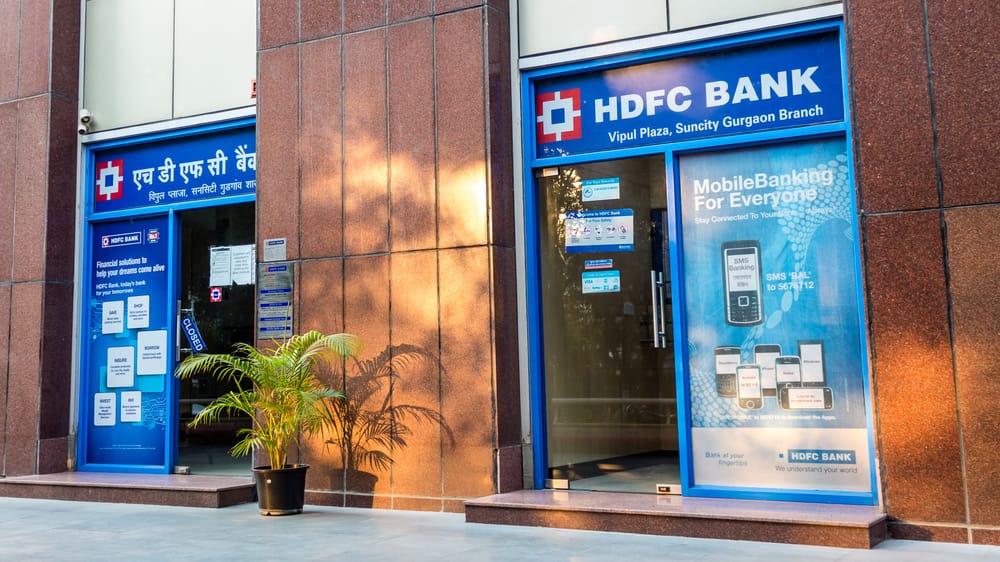
HDFC Bank's part-time Chairman Atanu Chakraborty has resigned suddenly, citing internal practices at the bank that clashed with his personal values and ethics. The announcement, which blindsided the board during an emergency meeting late Wednesday, triggered a sharp drop in the bank's shares and intensified scrutiny on India's largest private lender by assets.
Chakraborty's resignation letter, made public Thursday, stated that developments over the past two years were "not aligned to his values and ethics." He emphasized there were "no other material reasons" for his exit, but the vague yet pointed language has fueled speculation of deeper boardroom rifts. Sources close to the matter described the move as stemming from "personal differences" between Chakraborty and senior management, with friction building for years over his perceived "executive style" as a non-executive chairman.
BOARDROOM TENSIONS ERUPT
In a CNBC-TV18 exclusive, reporter Ritu Singh revealed that the discord originated from Chakraborty's hands-on approach, which management viewed as overstepping his non-executive role. "The friction between Atanu Chakraborty and some of the senior management personnel has existed for a few years now, essentially stemming from the fact that the management felt Atanu Chakraborty as a non-executive chairman was functioning in a very executive style," Singh reported. This tension reportedly culminated in last night's surprise board meeting, where directors pressed Chakraborty for specifics, but he offered little beyond his letter's wording.
The bank's board accepted the resignation with "appreciation for his guidance," as stated by veteran leader Keki Mistry during a hurried conference call. Mistry, stepping in as interim chairman for a three-month RBI-approved term, assured stakeholders: "On behalf of the board and in full concert with the executive leadership, I wish to assure all stakeholders that there are no material matters at this time." Sources emphasized that regulators, including the Reserve Bank of India (RBI), have raised no concerns, and the exit was "neither directed by RBI nor initiated by the bank." It was, they said, "very much an individual level decision."
Market analysts see the episode as symptomatic of post-merger challenges. HDFC Bank's 2023 merger with its housing finance parent created a behemoth, but integration hiccups have lingered. Recent high-profile exits, including Rahul Shukla, head of MSME and rural banking, and the Chief Human Resources Officer, have added to perceptions of instability. "The resignation of Rahul Shukla... and the CHRO and now this clearly indicates that yes, there are some differences in the board in terms of operations," noted an expert on a market discussion.
MARKET SHAKEUP FOLLOWS
HDFC Bank's stock has faced persistent delivery-based selling pressure over the past year, reflecting investor unease amid sluggish loan growth and deposit mobilization struggles. The share tumble underscores global jitters, with shares already down year-to-date in Mumbai trading. Analysts warn of short-term negativity unless the bank communicates transparently. "Communication from the management over the last two years has been extremely poor. They need to come out and communicate really very effectively," urged one commentator, calling for CEO Sashidhar Jagdishan—known as the "face of HDFC"—to outline a clear roadmap.
Chakraborty's stature amplifies the fallout. A former RBI deputy governor and key architect of India's digital payments push, his tenure since 2020 brought regulatory heft to the board. His exit raises questions about governance at a time when peers like ICICI Bank surge ahead. "These kind of words by the chairman are really very harsh... there would be some clashes in the decisions," observed a pundit, linking issues to post-merger growth constraints between liquidity risks and expansion ambitions.
INTERIM LEADERSHIP STEPS IN
Keki Mistry, the veteran HDFC leader and former vice chairman, assumes the chair to steady the ship. His interim role, approved swiftly by RBI, buys time for a permanent successor search. Mistry's familiarity with the group offers continuity, but investors crave clarity on deeper fixes. "The board has accepted his resignation with appreciation... We wish him the very best," Mistry reiterated, aiming to quell fears of systemic issues. Mistry added that HDFC Bank is aligned with his "principles and values," stating he would not have taken the responsibility otherwise.
While no corporate governance lapses are alleged, the episode highlights the delicate balance in India's banking sector, where RBI oversight is vigilant post-scandals like Yes Bank. HDFC Bank's upcoming results will test resilience amid this leadership vacuum. Poor handling could exacerbate the stock's underperformance, with analysts forecasting prolonged pressure if boardroom opacity persists. The bank remains pivotal to India's economy, making swift resolution imperative.
Stakeholders now watch for Jagdishan's response. Transparent disclosure on these "values" discrepancies could rebuild trust; silence risks further erosion. As one voice put it, "If the bank does not really address this, then there will be a massive challenge for the stock." In HDFC Bank's high-stakes world, alignment isn't just ethical—it's existential.