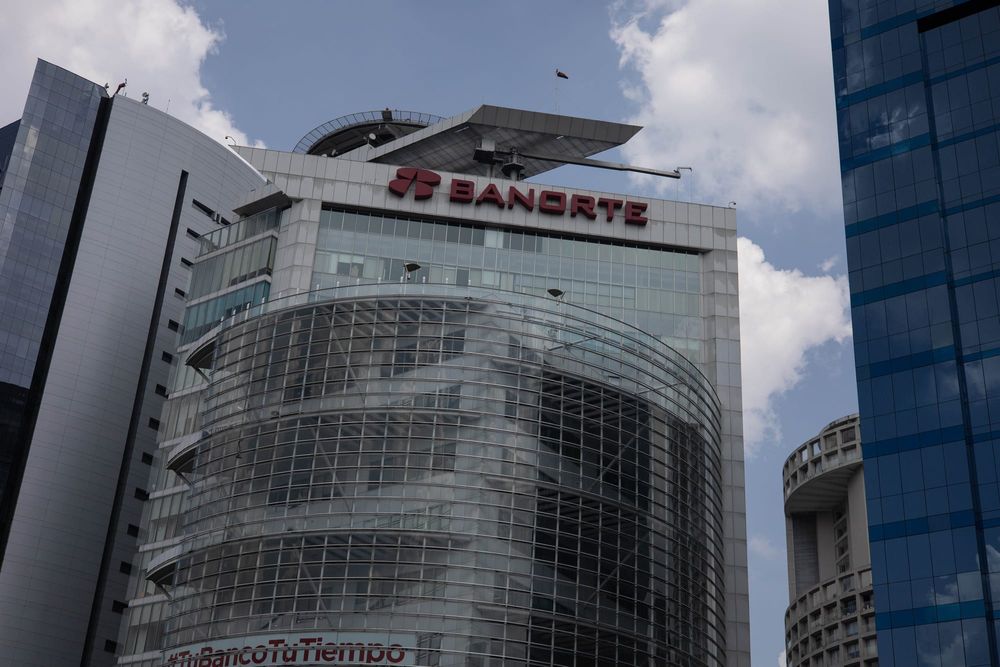
Grupo Financiero Banorte, Mexico's second-largest banking group by assets, has appointed Javier García as chief financial officer. García, who previously headed the bank's corporate finance division, assumes the role as Banorte navigates heightened economic volatility and implements a strategic refresh of its senior management ranks.
The appointment marks a significant leadership transition for the Mexico City-based lender, which has faced mounting pressures from currency fluctuations, interest rate uncertainty, and shifting regulatory demands across its retail, corporate, and investment banking operations. García's elevation from within the organization signals Banorte's confidence in promoting seasoned internal talent while maintaining continuity in financial strategy during a period of macroeconomic headwinds.
STRENGTHENING FINANCIAL GOVERNANCE
García brings more than two decades of experience in financial management and capital planning to the CFO position. His tenure leading corporate finance positioned him at the center of Banorte's balance sheet management, capital allocation decisions, and investor relations strategy. The promotion reflects the board's assessment that strengthening the CFO function is critical to maintaining resilience amid Mexico's ongoing economic challenges, including persistent inflation and currency volatility that have complicated lending operations and asset quality across the sector.
Banorte's board emphasized that García's appointment is part of a broader leadership refresh designed to enhance risk management frameworks and financial oversight. The timing of the announcement underscores the banking sector's heightened focus on governance quality as Mexican lenders contend with regulatory scrutiny and mounting credit pressures in both consumer and commercial portfolios.
MEXICO'S BANKING SECTOR DYNAMICS
The CFO transition occurs as Mexico's banking system faces structural challenges. The country's peso has experienced significant volatility against the US dollar, affecting the foreign exchange exposures embedded in corporate and sovereign debt portfolios. Meanwhile, the Banco de México has maintained elevated policy rates to combat inflation, creating a complex operating environment for lenders managing net interest margins and loan loss provisions.
Banorte has substantial exposure to both traditional banking and capital markets activities. The group's diversified revenue streams across retail, corporate, and investment banking have provided some insulation from sector-wide pressures, but management of liquidity, capital adequacy, and credit risk remains paramount as economic conditions remain uncertain.
CONTINUITY AND STRATEGIC DIRECTION
García's internal promotion suggests that Banorte's board is prioritizing continuity in financial strategy rather than pursuing external recruitment. This approach allows the new CFO to leverage existing relationships with the bank's business units, regulatory authorities, and investor base while implementing any strategic adjustments deemed necessary by the board.
The appointment also reflects broader trends in Mexican banking, where institutions are increasingly emphasizing internal succession planning and talent development. As regulatory requirements around governance and risk management become more demanding, banks have recognized the value of promoting executives with deep institutional knowledge and established track records in navigating Mexico's complex financial landscape.
García's assumption of the CFO role comes as Banorte continues to balance shareholder returns with capital conservation requirements set by Mexico's banking regulator. His background in corporate finance and capital planning positions him to manage the delicate equilibrium between dividend sustainability, loan growth, and regulatory capital buffers that define modern banking leadership in Mexico.