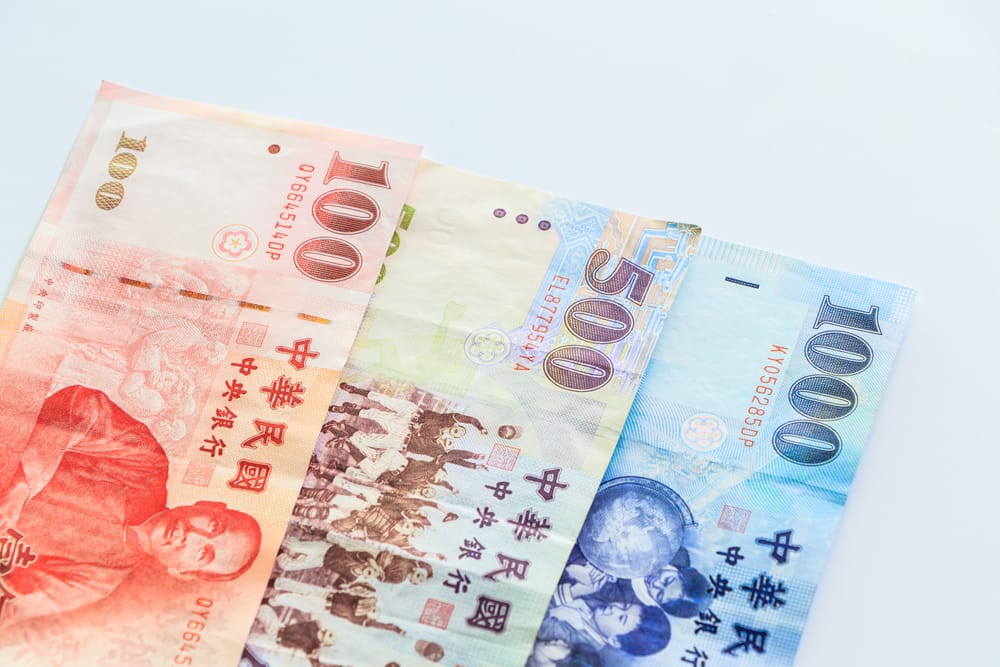
Taiwan's banking sector is witnessing a significant consolidation move as Bank SinoPac announces plans to merge with King's Town Bank, both subsidiaries of SinoPac Financial Holdings. The transaction, detailed in a late Friday filing, involves Bank SinoPac issuing 1.865 billion new shares at 24 New Taiwan dollars each, raising 44.76 billion New Taiwan dollars—equivalent to US$1.40 billion—alongside a cash component to acquire all shares of King's Town Bank held by their common parent. Upon completion, Bank SinoPac will emerge as the surviving entity, with King's Town Bank dissolved, streamlining operations under a single brand.
STRATEGIC RATIONALE BEHIND CONSOLIDATION
This merger reflects broader trends in Taiwan's highly competitive banking landscape, where financial holding companies are optimizing their subsidiaries to enhance efficiency and market share. SinoPac Financial wholly acquired King's Town Bank last year, setting the stage for this integration. The move aims to eliminate redundancies and bolster capital strength.
Industry observers note that such intra-group mergers are increasingly common in Taiwan amid regulatory pressures for stronger capitalization and digital transformation. The deal's structure, with shares issued directly to SinoPac Financial, minimizes external dilution while injecting substantial capital into Bank SinoPac.
DEAL MECHANICS AND TIMELINE
The mechanics are straightforward yet ambitious in scale. Bank SinoPac will exchange its newly issued shares and cash for SinoPac Financial's 100% ownership in King's Town Bank. This values the acquisition at 44.76 billion New Taiwan dollars, a figure that underscores the strategic premium placed on King's Town's branch footprint and customer base.
Regulatory approval from Taiwan's Financial Supervisory Commission (FSC) is anticipated, though no specific timeline has been disclosed in the filing. Historical precedents suggest such mergers within the same holding company face fewer hurdles. Upon completion of the deal, Bank SinoPac will be the surviving entity of the merger, and King's Town Bank will be dissolved as a result, the filing explicitly states.
MARKET REACTION AND INVESTOR SENTIMENT
Markets responded tepidly to the announcement. Taipei-listed shares of SinoPac Financial fell 3.0% on Monday, reflecting investor concerns over dilution from the massive share issuance and short-term integration costs. Trading volume spiked, with analysts attributing the drop to uncertainty around execution risks.
Despite the initial sell-off, longer-term optimism prevails. SinoPac Financial's diversified portfolio positions it well in Taiwan's financial services market. The merged entity could command a larger slice of deposits, currently dominated by giants like CTBC Bank and Cathay United Bank. This consolidation enhances SinoPac's competitiveness in a maturing market.
IMPLICATIONS FOR TAIWAN BANKING
Taiwan's banking sector has undergone waves of mergers since the early 2000s to combat profitability squeezes from low interest rates and fintech disruption. SinoPac's move aligns with FSC directives encouraging stronger institutions capable of funding Taiwan's tech-driven economy.
For customers, the merger promises expanded services without immediate disruption. Employees face uncertainties, but labor protections under Taiwan law mitigate mass layoffs. SinoPac Financial could leverage the beefed-up bank for cross-selling opportunities in wealth management and trade finance, key to Taiwan's export-oriented growth.
Globally, this deal draws eyes to Taiwan's financial resilience amid U.S.-China tensions, where banks like SinoPac play pivotal roles in supply-chain financing. As the merger unfolds, it will test SinoPac's execution prowess, potentially setting a template for peers eyeing similar plays. The filing's clarity—"Taiwan's Bank SinoPac plans to merge with King's Town Bank"—marks not just a corporate restructuring, but a calculated bet on scale in an era of relentless competition.